Super Beetle Articles and Technical Guides
Technical guides, restoration tips, historical
details, and ownership insights for 1302 and 1303 Super Beetles, helping
enthusiasts understand model differences, maintenance, and factory information.
The Marathon Beetle - Volkswagen's World Champion
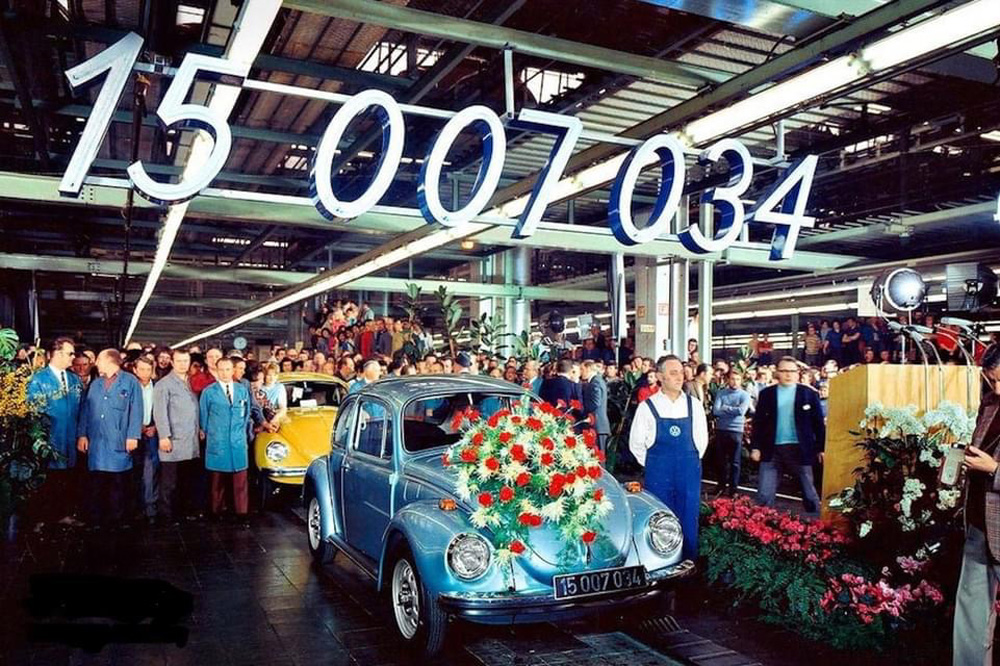
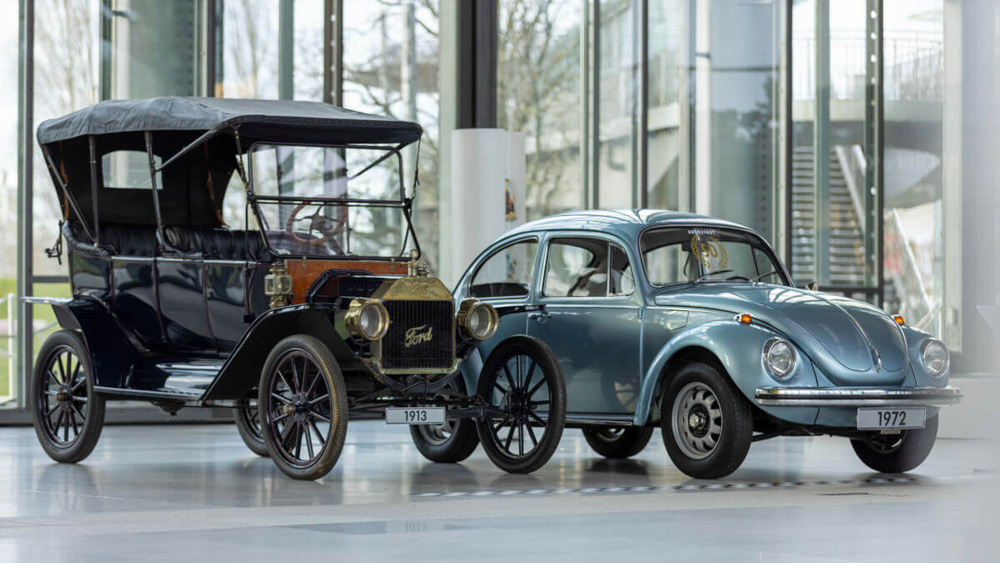
The Marathon Beetle, known in Germany as the Weltmeister, stands as one
of Volkswagen's most meaningful special editions. Released in 1972, it marked
the historic moment when the Beetle surpassed the Ford Model T to become
the most produced car in the world. This milestone was more than a number.
It represented decades of global loyalty, engineering simplicity and cultural
impact. The Marathon edition captured that achievement in a way enthusiasts
still celebrate today.
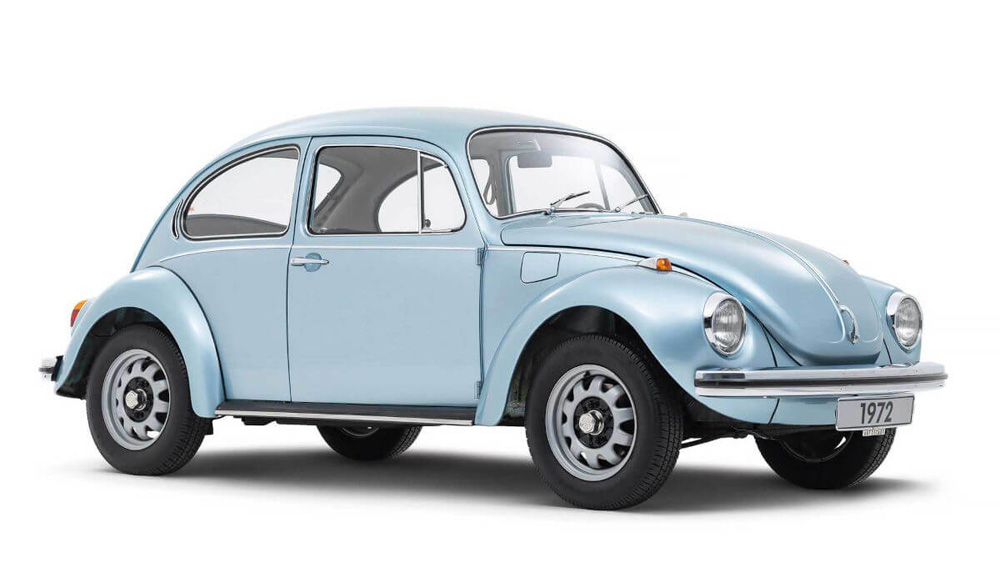
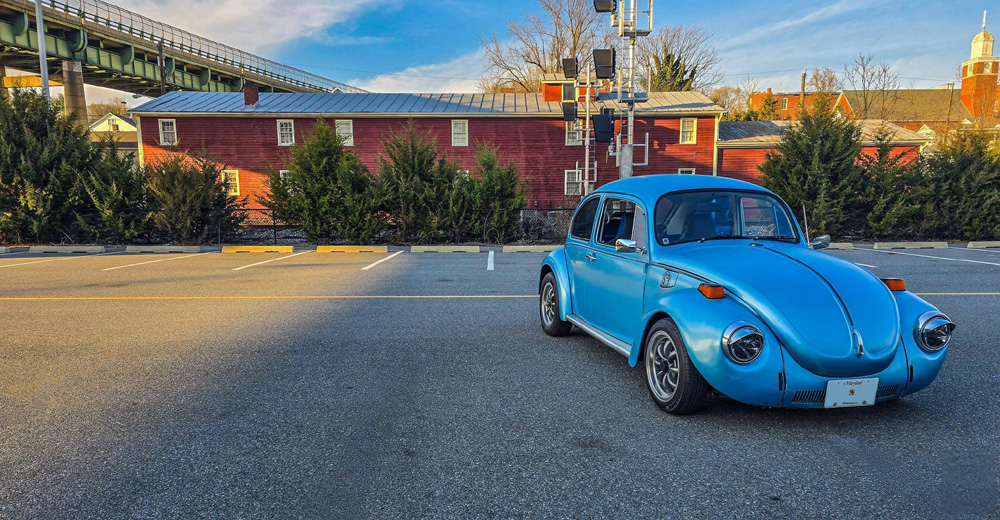
At its core, the Marathon Super Beetle was a commemorative model built
to honor Volkswagen's production victory. It featured a distinctive Marathon
Blue Metallic L96M finish, a color chosen specifically for the edition.
This paint gave the car a clean, modern look that stood apart from the more
common Beetle colors of the era. The Marathon badge on the decklid completed
the theme, proudly announcing the Beetle's new world champion status. Enthusiasts
often refer to this badge as the heart of the edition, and it remains one
of the most recognizable elements of the car.
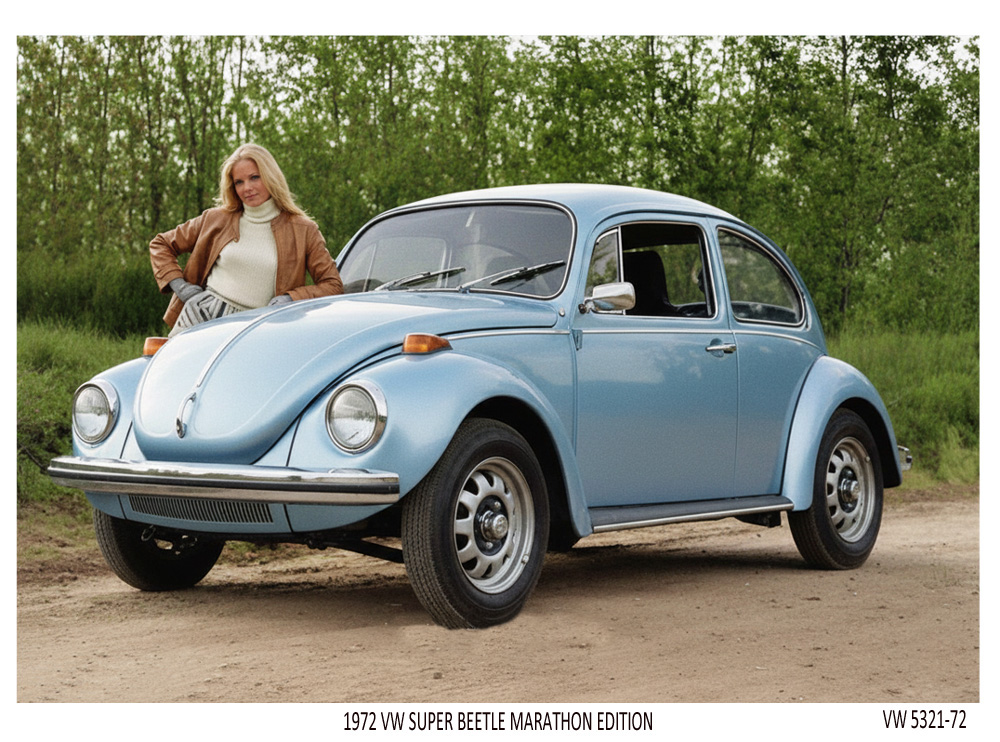
The wheels were another defining feature. Volkswagen equipped the Marathon
Super Beetle with sports-style wheels that gave the car a more athletic
stance and a subtle performance feel. These wheels, similar to Lemmerz GT
designs, helped distinguish the edition from standard 1302 and 1303 models.
They also contributed to the car's growing reputation among collectors who
appreciate factory-correct details.
Inside, the Marathon edition carried understated upgrades that added to
its appeal. Black upholstery, unique trim accents and small interior touches
gave the car a slightly more refined feel without departing from the Beetle's
familiar simplicity. Volkswagen did not radically redesign the cabin, but
the subtle changes helped reinforce the idea that this was a celebratory
model.
The Marathon Super Beetle was offered in limited numbers, and its availability
varied by region. Some markets received more units than others, and certain
countries saw only a small handful. This uneven distribution has contributed
to the edition's collectibility today. Many enthusiasts consider the Marathon
one of the most desirable early Super Beetle variants, especially when found
with original paint, wheels and badge intact.
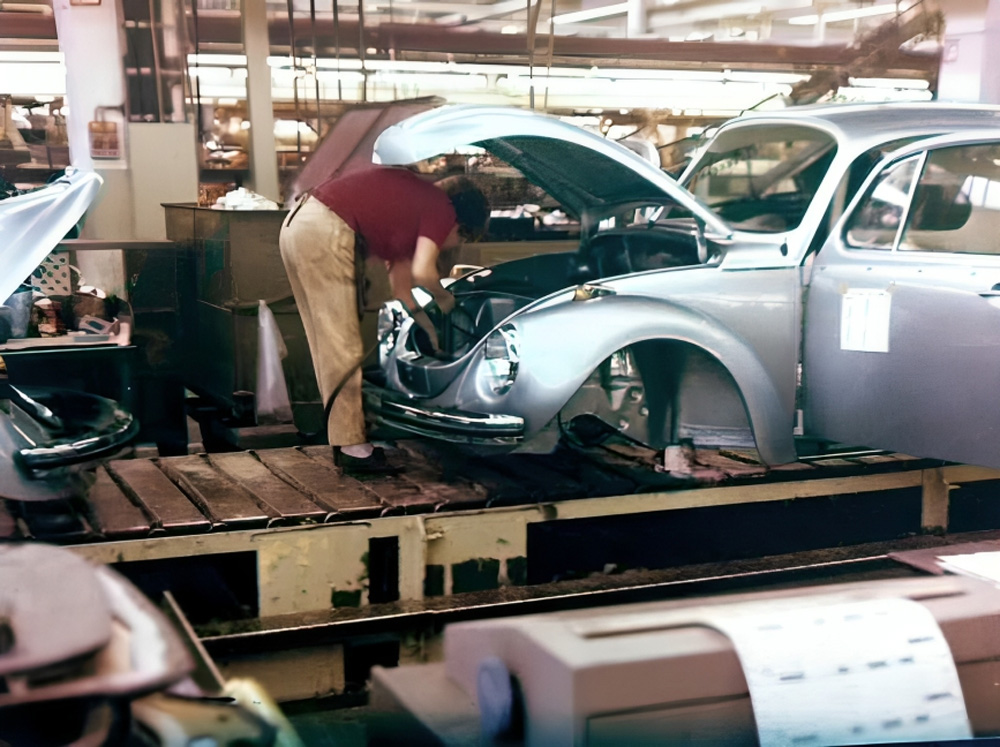
Beyond its features, the Marathon Super Beetle represents a moment when
Volkswagen celebrated not just a car, but a global community. The Beetle
had become a symbol of reliability, affordability and personality. Surpassing
the Model T was a cultural victory as much as an industrial one. The Marathon
edition captured that spirit, reminding owners that they were part of something
larger than a single model year or trim package.
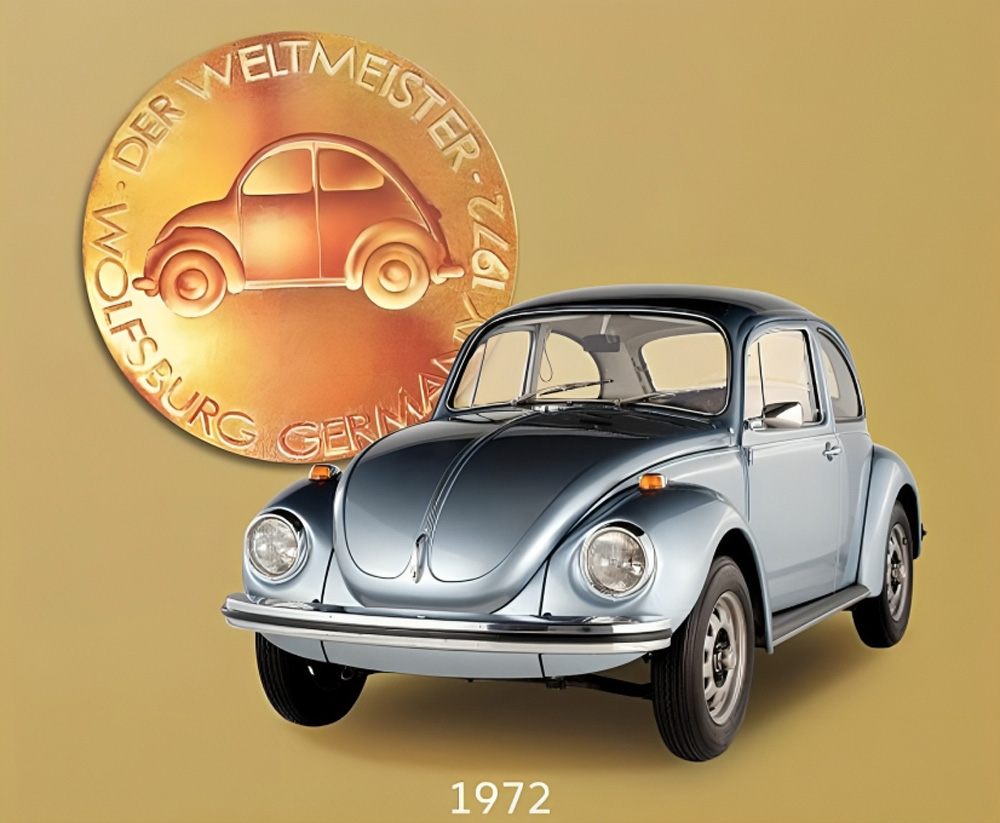
Today, the Marathon Super Beetle remains a favorite among collectors and
historians. Its combination of unique styling, commemorative purpose and
limited production makes it a standout in the Super Beetle timeline. Whether
referred to as the Marathon, the World Champion or the Weltmeister, it continues
to symbolize Volkswagen's rise to global prominence and the enduring legacy
of the Beetle.
Jim Fitzgerald and His Volkswagen Toy Collection
Jim Fitzgerald likes to say his Volkswagen story began before he even understood
what a car was. As a small child, he would spot a Beetle on the street,
light up, and proudly call it a "BeepBeep car." That early spark
grew the day he received his first toy VW, a large blue Tonka Beetle. From
that moment on, the hunt began, and Jim never stopped finding Volkswagens
everywhere he went. Stores, swap meets, and yard sales always seemed to
have something waiting for him.
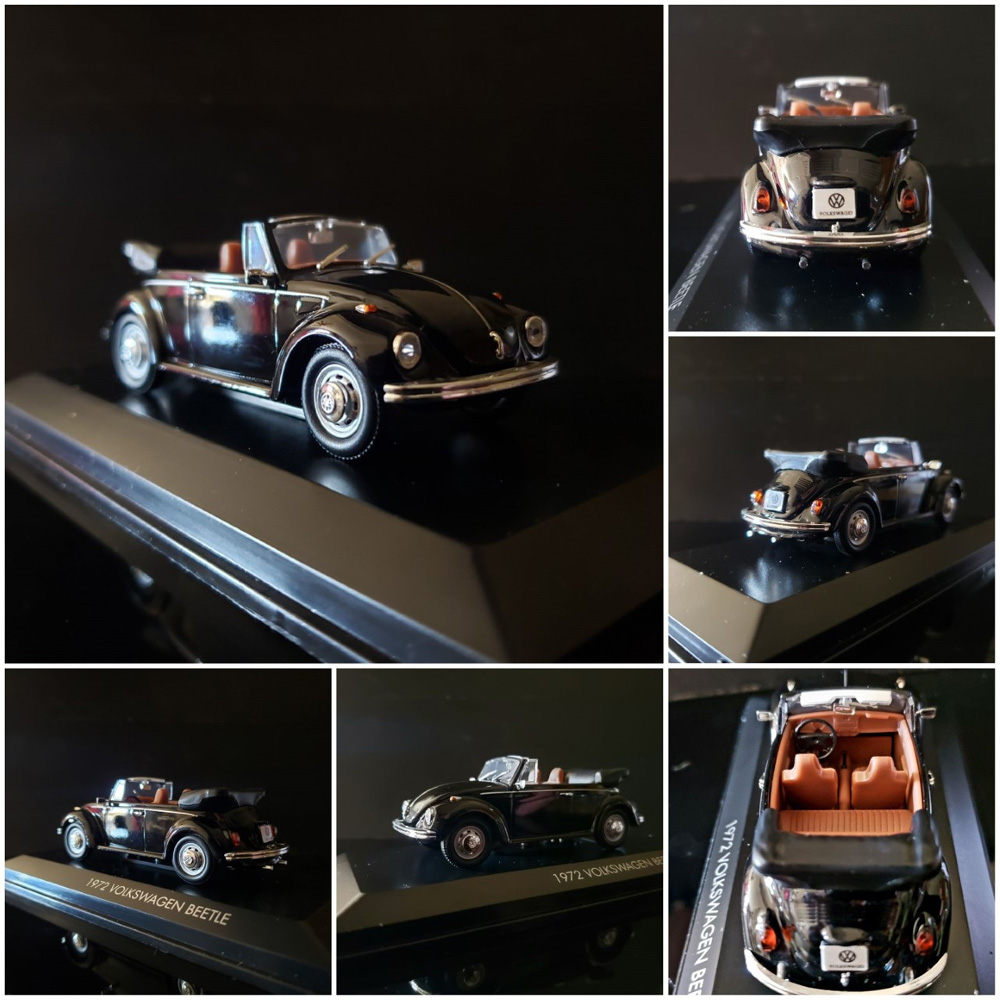
Growing up, Volkswagens were never far from Jim's world. His older sister
had several friends who drove them, and she eventually owned three herself.
Her first, a blue 1971 Super Beetle, left a lasting impression. Being surrounded
by these cars made them feel like part of the family, and Jim absorbed every
detail. The shapes, the sounds, and the personality of each car stayed with
him.
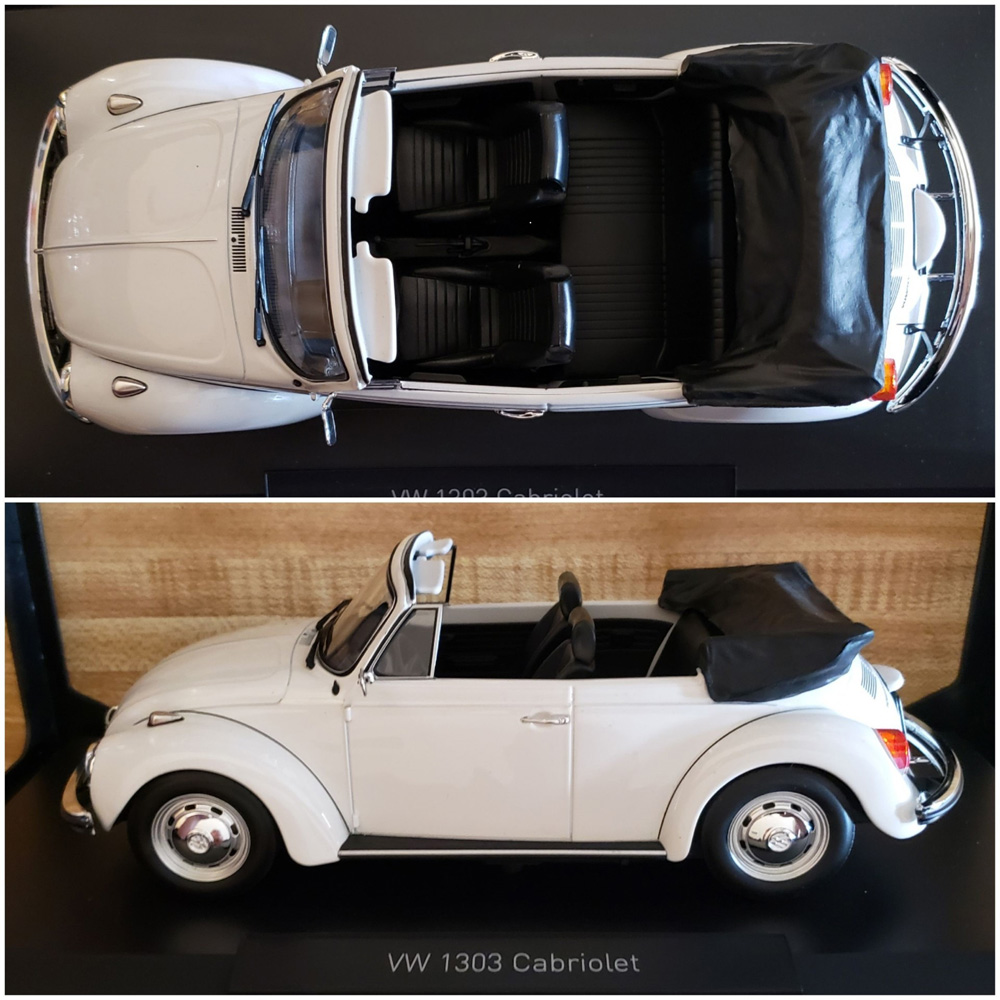
One of Jim's fondest memories comes from the local dealership, Ted McWilliams
Volkswagen City in Monroeville, Pennsylvania. Every year, his grandfather
would take him there to see the newest models as soon as they arrived. Those
visits cemented his fascination, and when Jim turned sixteen, he bought
his own 1971 Super Beetle. With studded snow tires and 200 pounds of cement
in the front trunk for better winter steering, it became the family taxi
during heavy snow. The car never let him down.
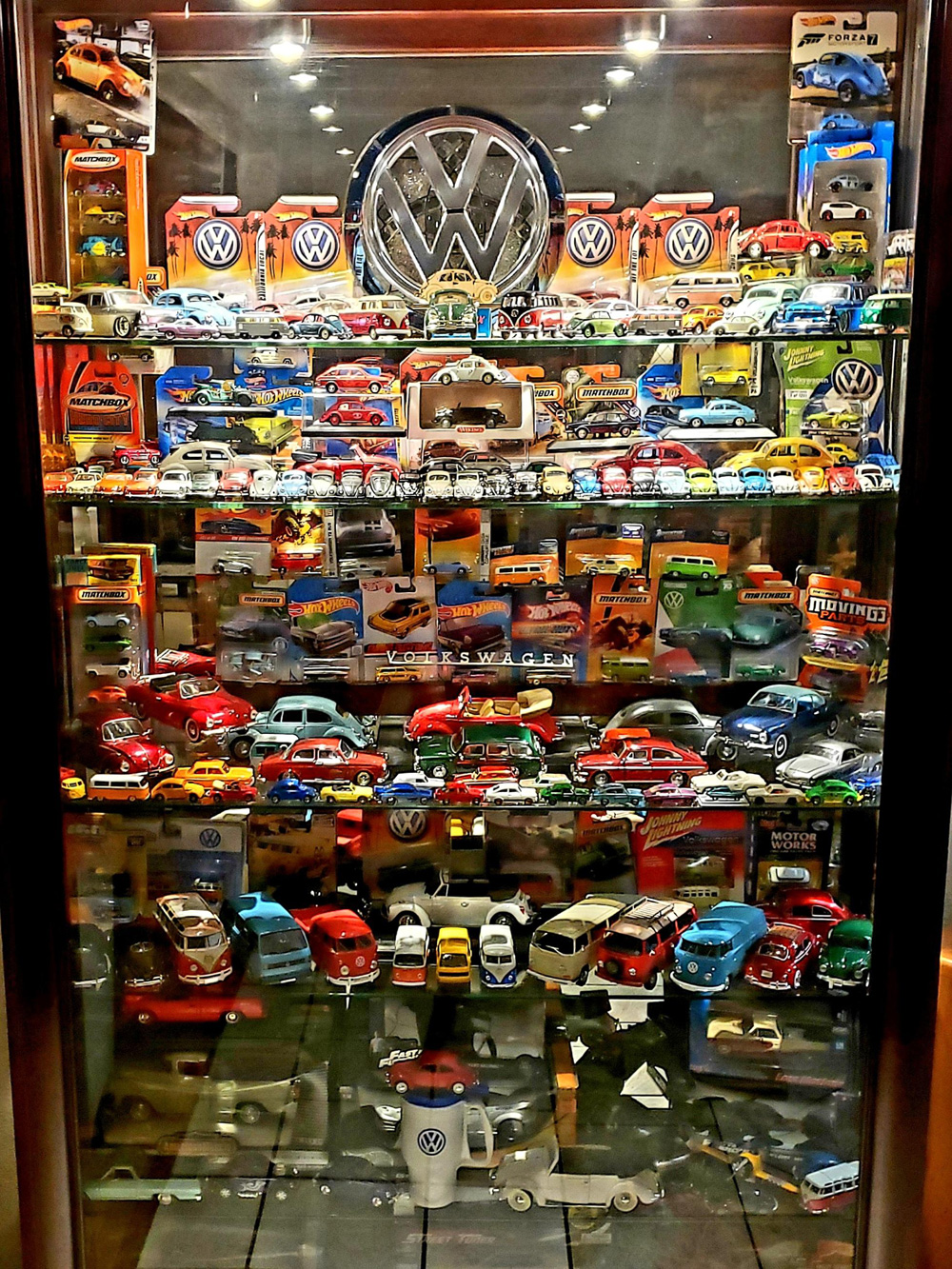
When Jim moved to California in 1979, his VW journey continued. Over the
years he owned a GTI, a Golf, and eventually another 1971 Super Beetle.
When the New Beetle debuted in 1998, he bought one of the first, finished
in black with a manual transmission. Alongside the real cars, his toy collection
kept growing. By 1989, it had become notable enough that VW Trends magazine
published a small feature on it, which marked his first moment of recognition
as a collector.
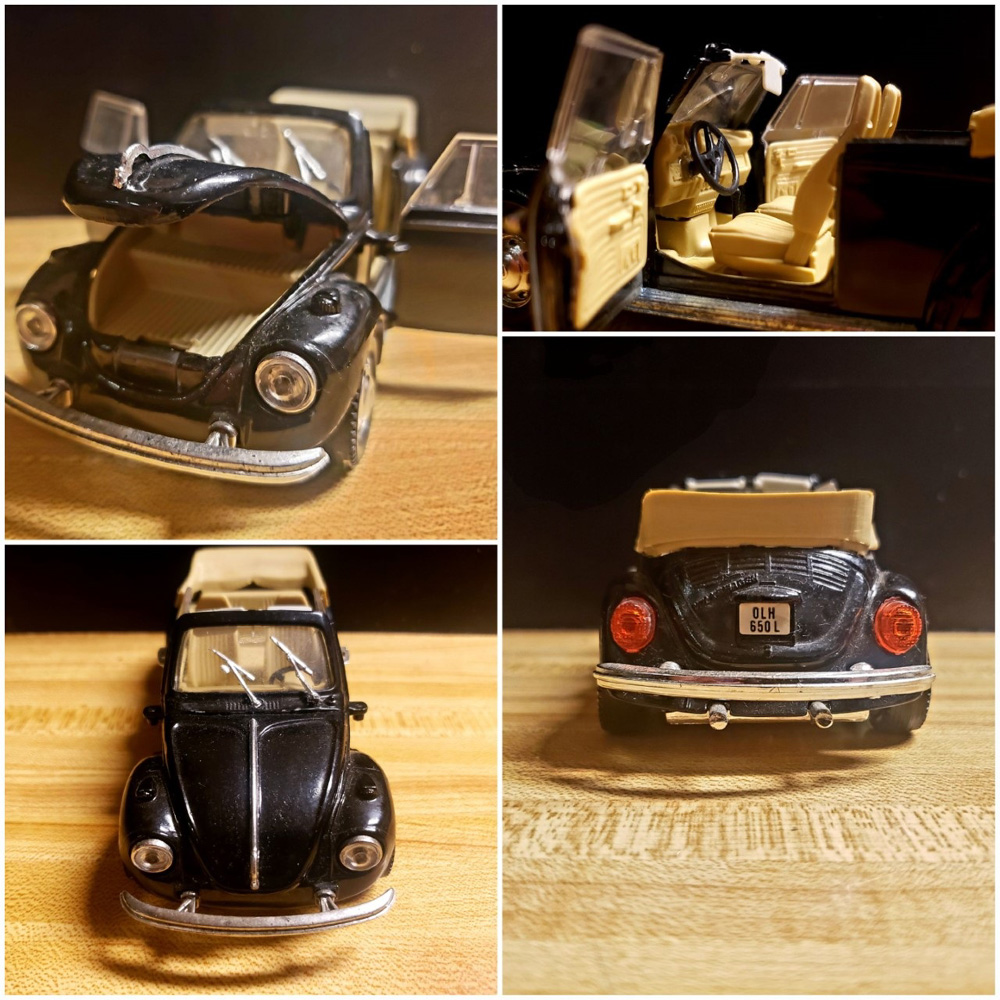
Jim's passion also connected him to the wider community. He became active
on The Samba and joined several Volkswagen groups on Facebook. In his younger
days, he attended countless VW shows and made regular trips to the huge
Pomona swap meet, where he found many of the rare pieces that now anchor
his collection. Hobby shops, yard sales, and flea markets all played a part.
No matter where he went, Volkswagens seemed to find him. He still jokes
about it today.
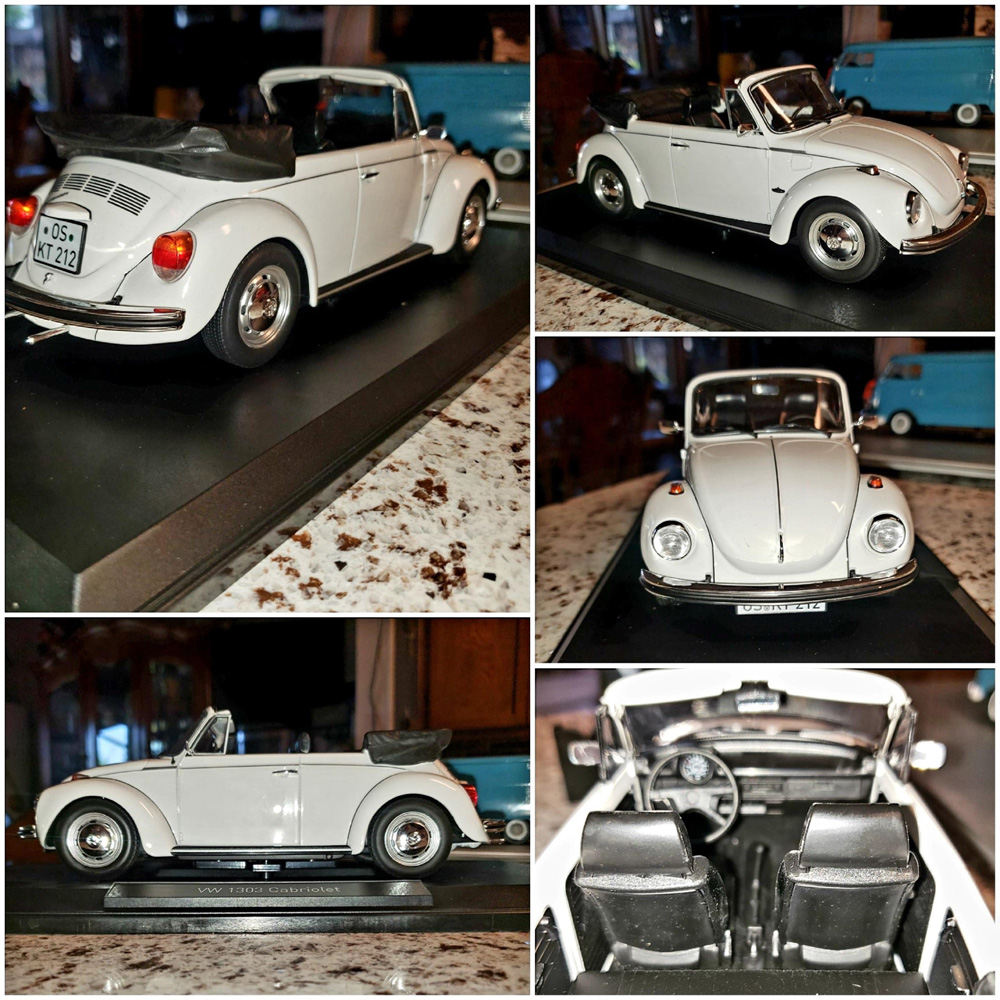
Online hunting expanded his reach even further. Through eBay, Jim tracked
down models he never expected to see again, adding depth and variety to
his shelves. After more than fifty years of collecting, he now owns an enormous
number of Volkswagen toys, literature, and memorabilia. Space is limited,
so only a selection of his favorites sits in a dedicated display case, but
every piece has a story.
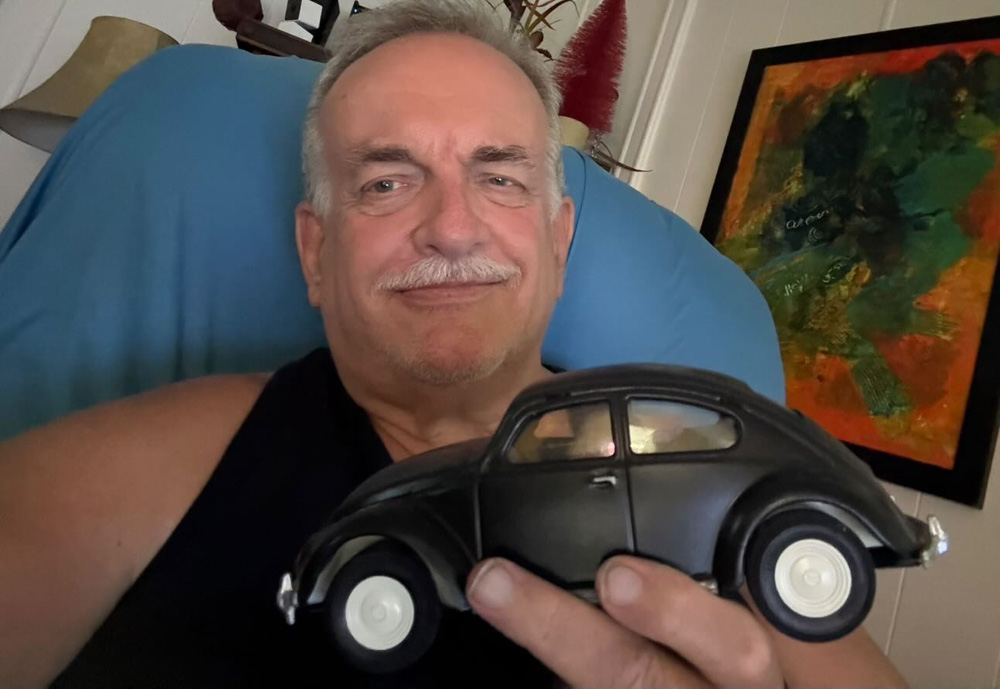
Looking back, Jim sees his collection as the result of a lifelong passion
that never faded. Some of his toys are more than seventy years old, including
early Matchbox, Corgi, and Dinky models. Many still carry "Made in
West Germany" on their chassis. He has even corresponded directly with
the Volkswagen factory in Wolfsburg, and in 2003 the Puebla plant in Mexico
mailed him brochures for the final Beetles. For Jim, collecting has never
been just a hobby. It has been a joyful, decades long connection to the
cars that shaped his life.
The Smooth Ride Revolution: Why the Super Beetle Changed the Game
In 1971, Volkswagen introduced a new chapter in Beetle history with the
arrival of the Super Beetle. While the original Beetle carried engineering
roots from the 1930s, the Super Beetle was designed for drivers who wanted
more comfort, more space, and more refinement without losing the character
that made the Beetle iconic.
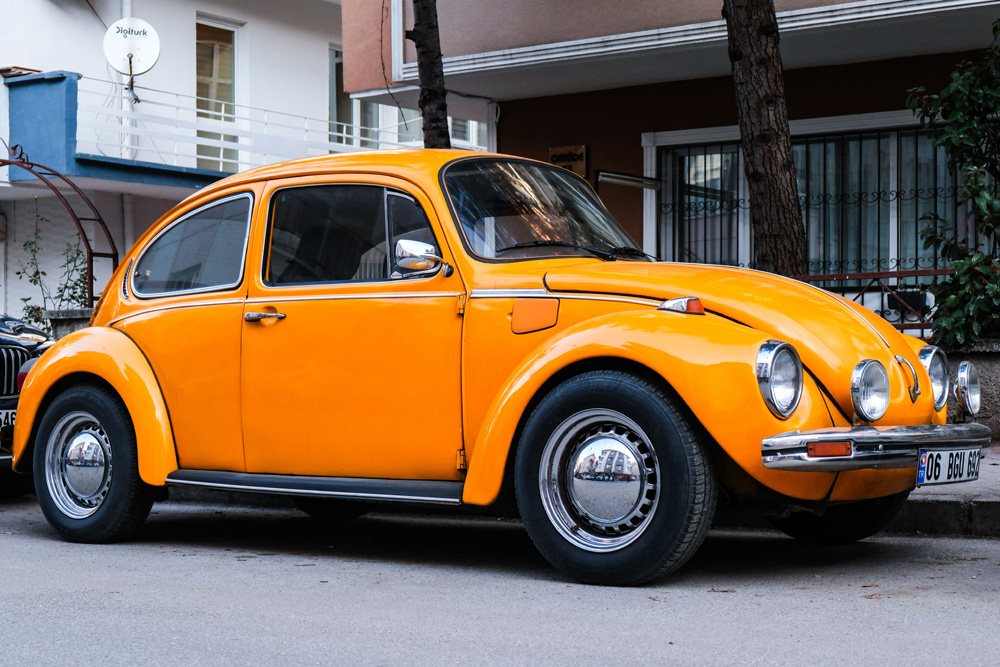
The biggest change came in the front suspension. Volkswagen replaced the
traditional torsion bar beam with a MacPherson strut setup, a modern design
that dramatically reshaped the car's personality. This upgrade increased
front trunk space by 86 percent and gave the Super Beetle a tighter turning
radius and a smoother, more controlled ride that felt noticeably more advanced
than earlier models.
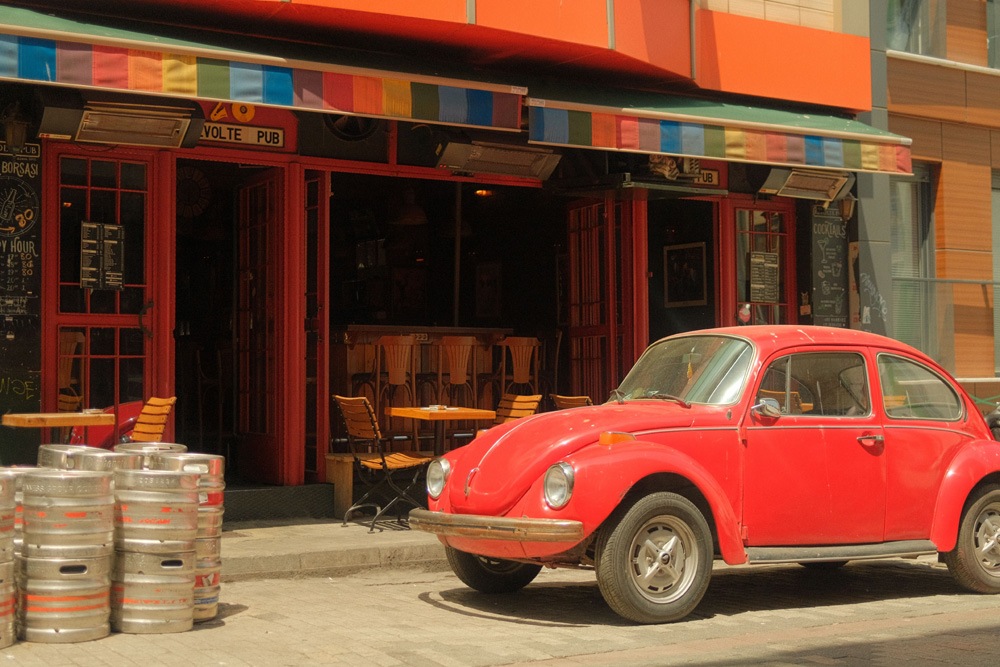
By 1973, the 1303 version pushed the evolution even further. The curved
windshield improved visibility and aerodynamics, while the padded dashboard
added an important layer of interior safety. Rack and pinion steering arrived
later, eliminating the vague feel of older steering boxes and giving the
Super Beetle a level of precision that made highway driving far more enjoyable.
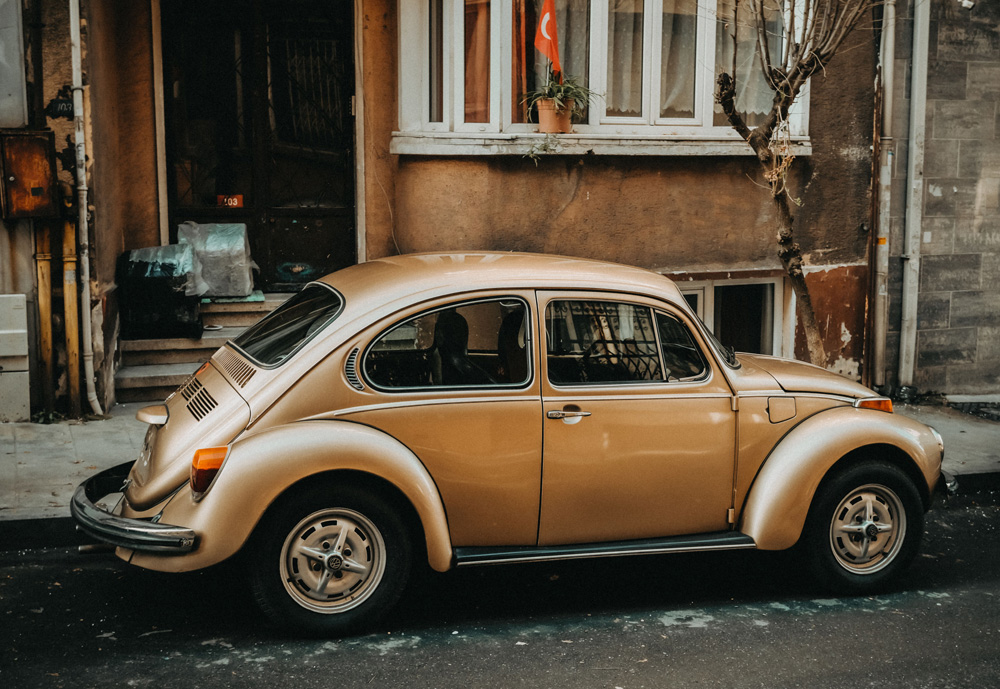
Braking also saw meaningful improvements. Although North American models
kept four wheel drum brakes, European "Luxury" versions came equipped
with factory front discs. For domestic owners, converting to front disc
brakes remains one of the most effective upgrades, offering more predictable
stopping power that complements the improved handling of the strut based
suspension.
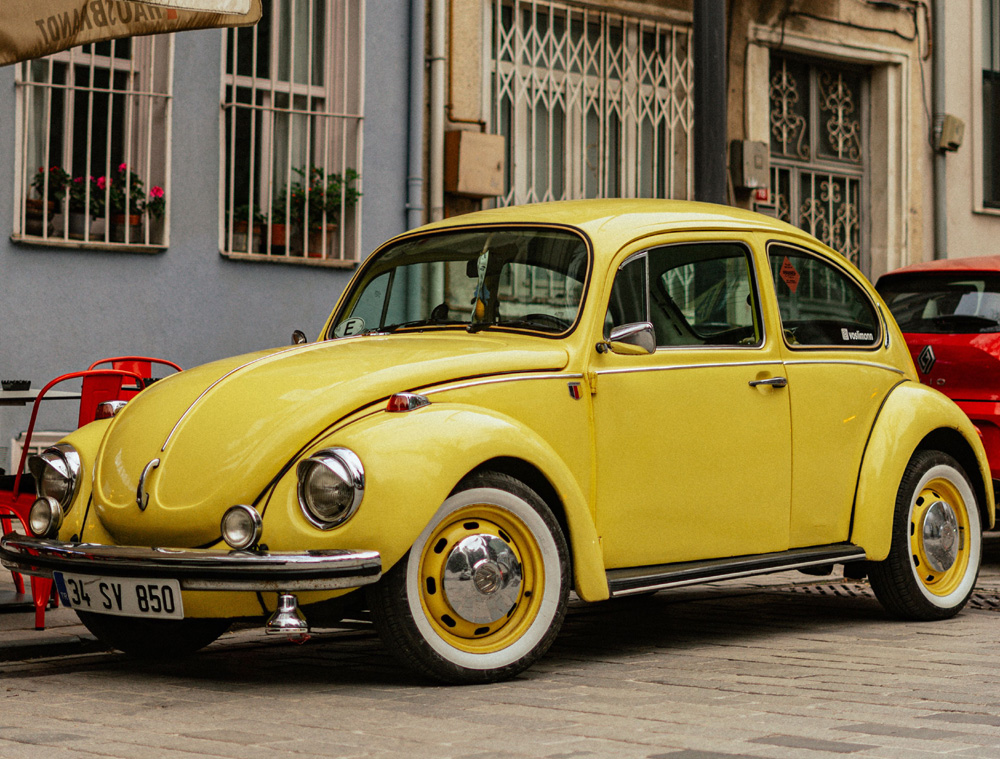
Mechanical refinements rounded out the package. The 1600cc dual port engine
provided better breathing and reliability, while the doghouse oil cooler
design helped manage heat more effectively by moving the cooler out of the
airflow of the number three cylinder. These changes made the engine more
durable and better suited to modern driving conditions.
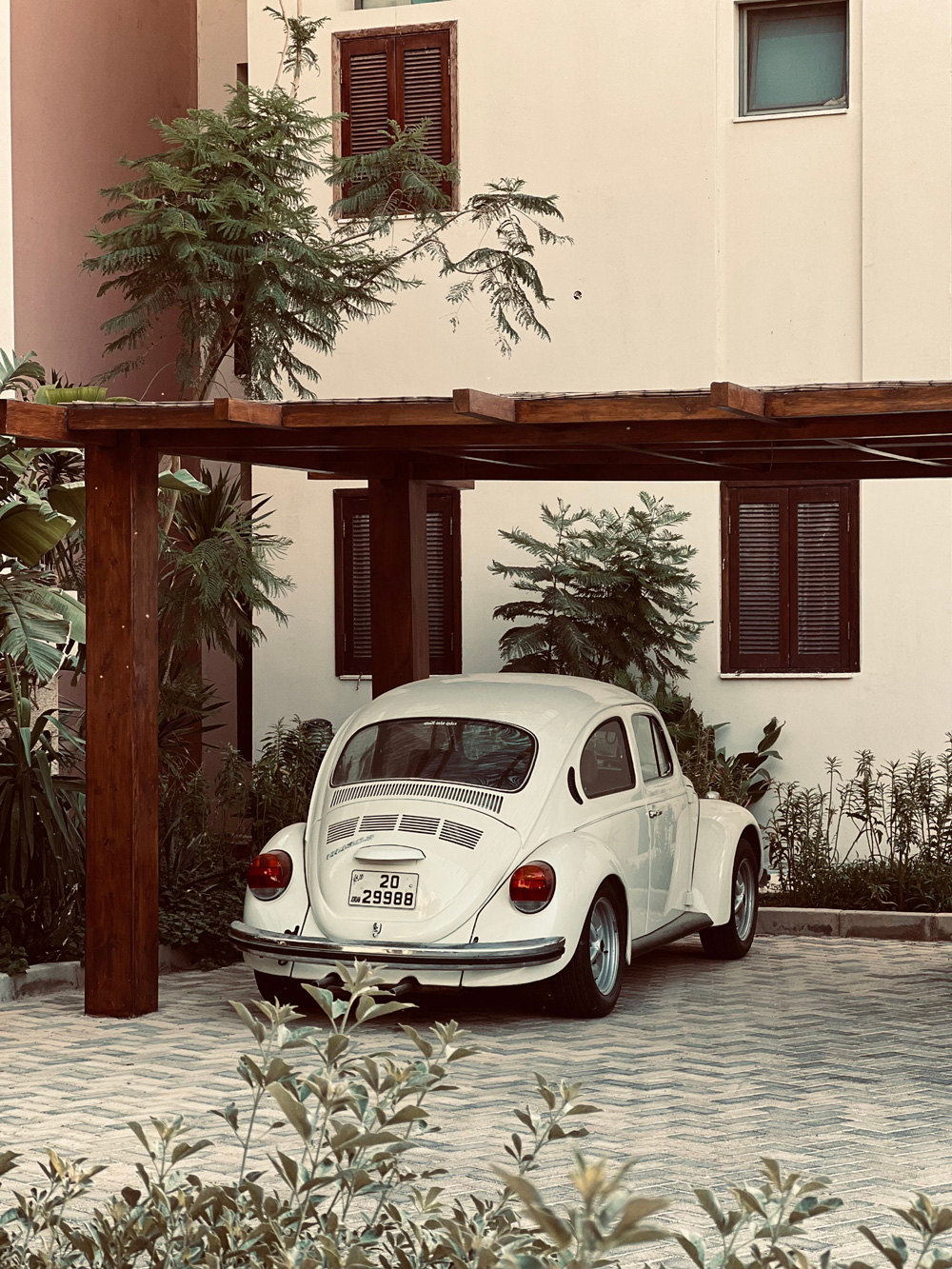
Electrical improvements followed as later models transitioned from a generator
to a more capable alternator. This upgrade delivered a steadier electrical
charge, supporting brighter lighting and accessories without straining the
system. It was a small change that made daily driving more dependable.
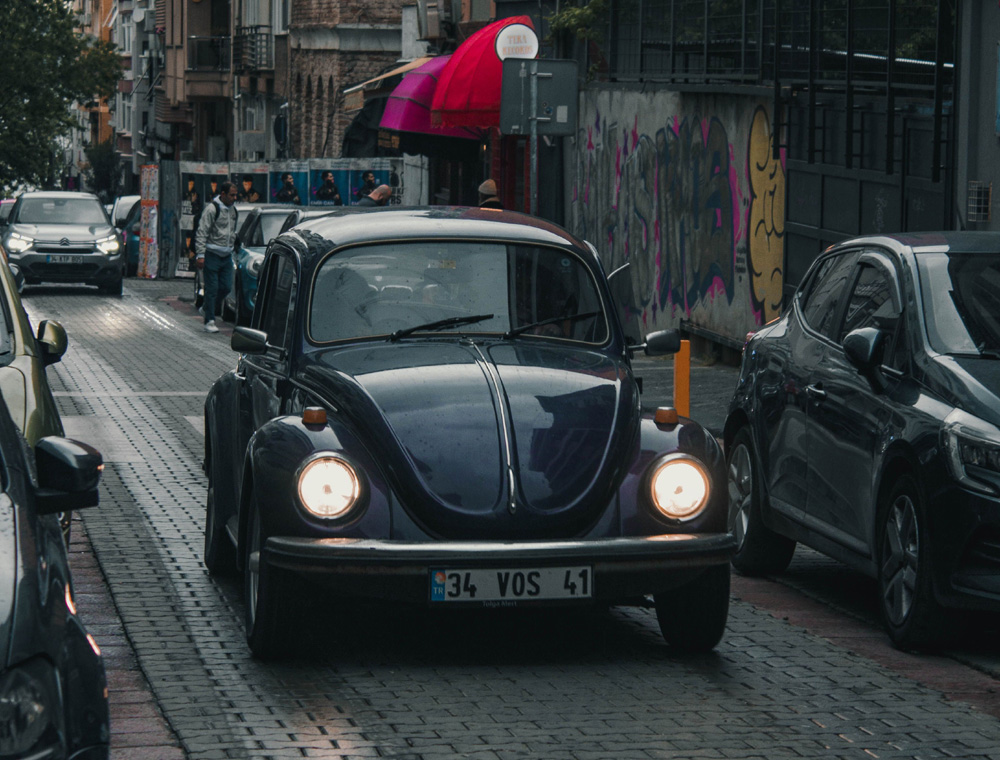
Taken together, these upgrades transformed the Super Beetle into a more
refined, comfortable, and reliable version of Volkswagen's classic. It kept
the charm of the original while offering a driving experience that felt
ready for a new era, proving that even a legend can evolve without losing
its soul.
The 1974 World Cup Super Beetle: Volkswagen's Championship Fleet
When West Germany won the 1974 FIFA World Cup, Volkswagen marked the victory
with a gesture that became one of the most memorable intersections of automotive
and sports history. VW produced a limited run of bright green Super Beetle
convertibles, built by Karmann in Osnabrück, and finished with World
Cup 74 graphics along the lower body. These cars were used during the tournament
for promotional duties and public appearances, and they quickly became a
recognizable symbol of the event. Their vivid color, factory applied markings,
and connection to the host nation made them stand out even among the many
celebratory images of the era.
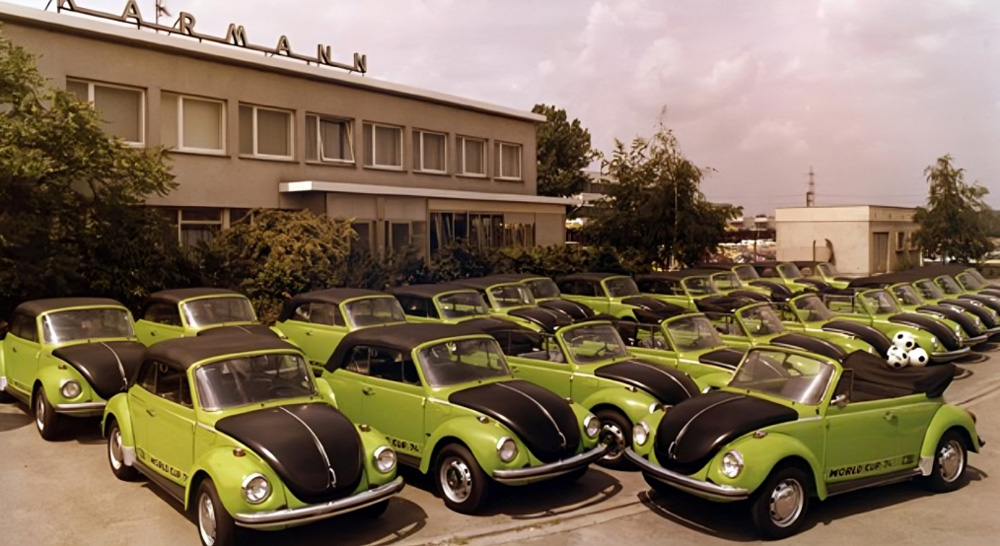
Period photos from the Karmann factory show rows of these convertibles
lined up for delivery, all painted in the same distinctive green and fitted
with black tops. The uniform appearance of the fleet confirms that Volkswagen
produced these cars specifically for the World Cup program rather than pulling
standard models from dealer stock. The graphics package, which included
the official tournament logo, was applied at the factory, making these cars
one of the few Beetle variants tied directly to a major global sporting
event.
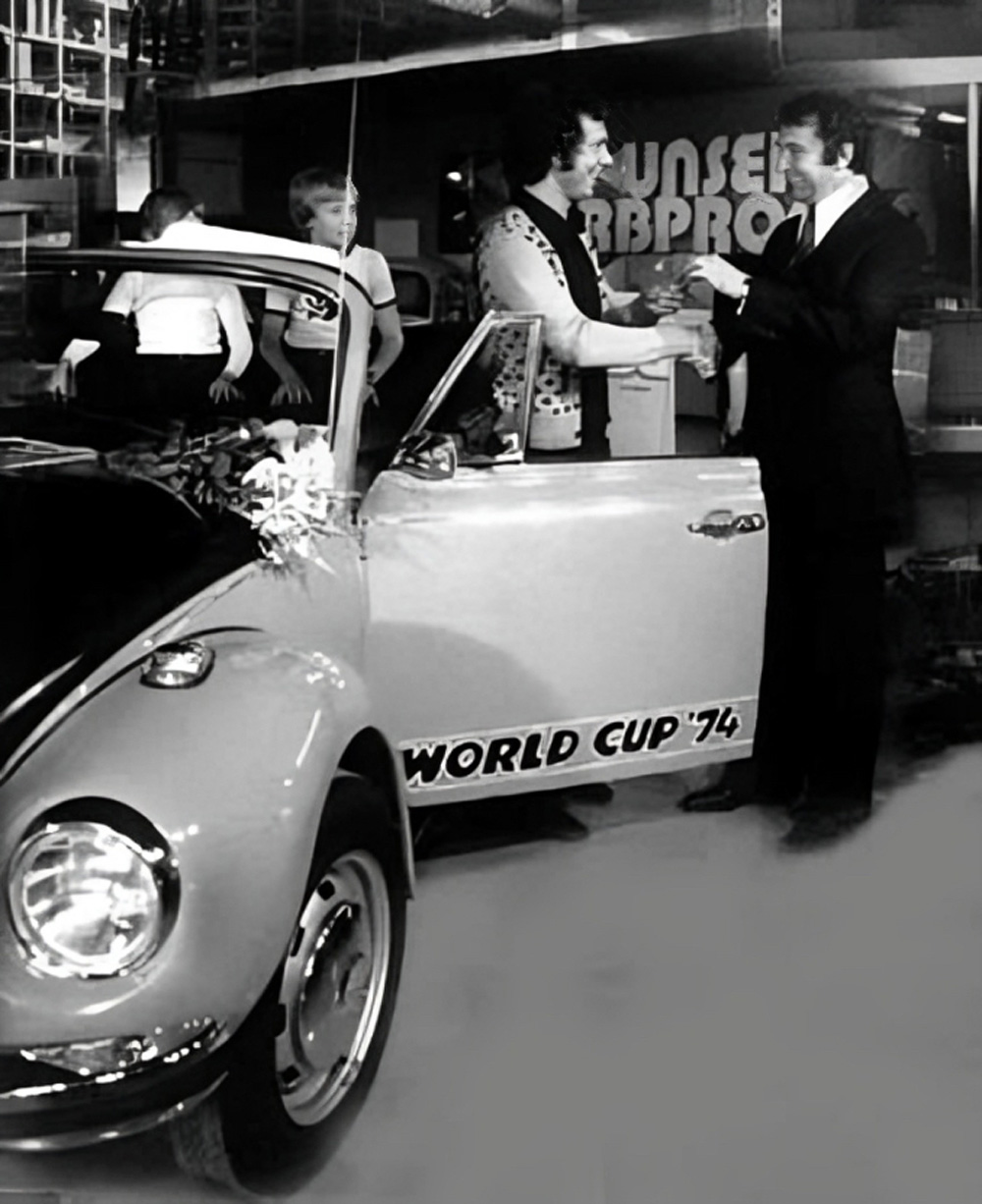
During the tournament, the cars served as promotional vehicles and were
used in various public settings connected to the World Cup. Their presence
in press photos and media coverage helped reinforce Volkswagen's role as
a national brand during a moment of international attention. The Beetle
was still one of the most familiar cars on European roads, and its use in
the tournament added a sense of national pride to the celebrations surrounding
the event.
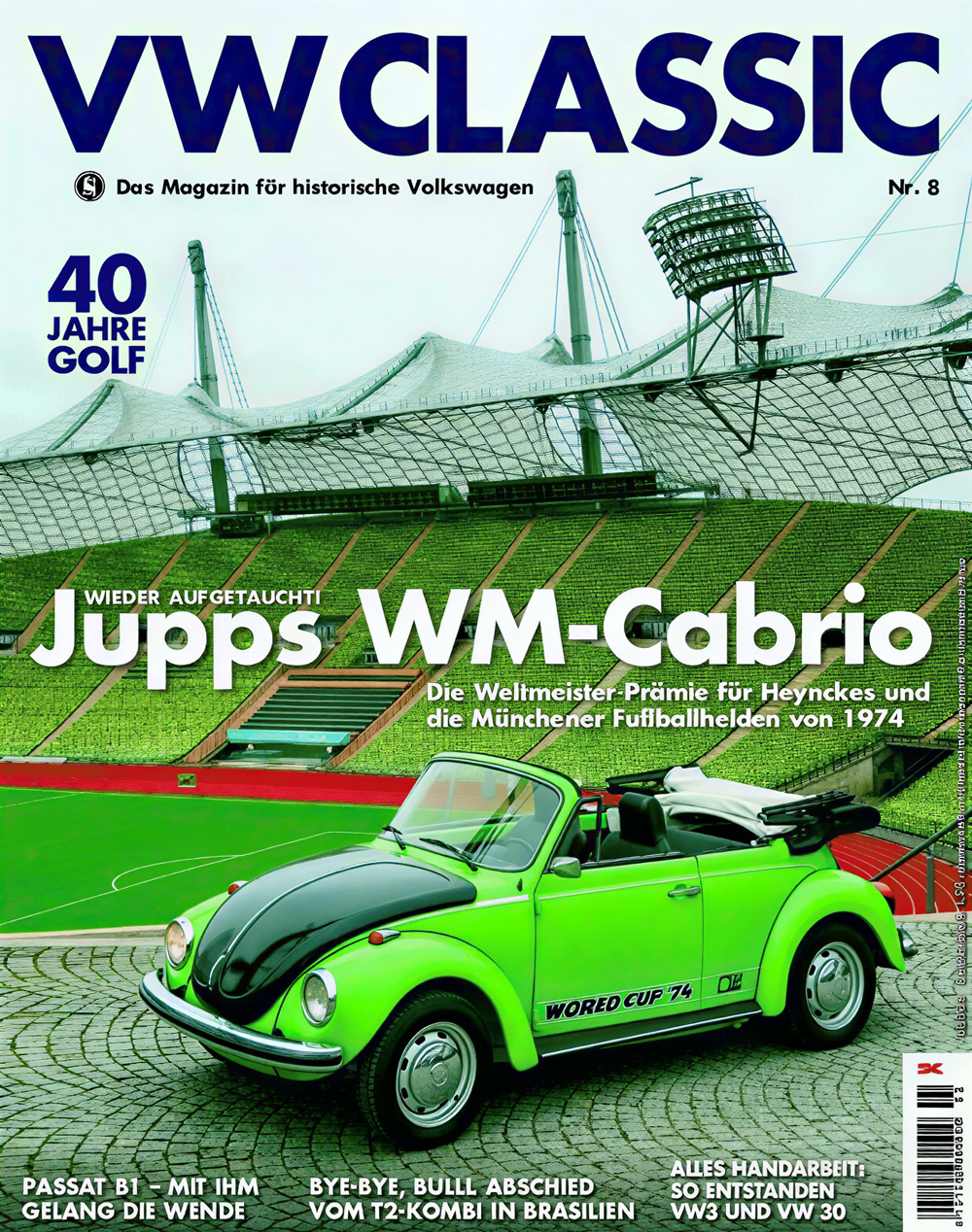
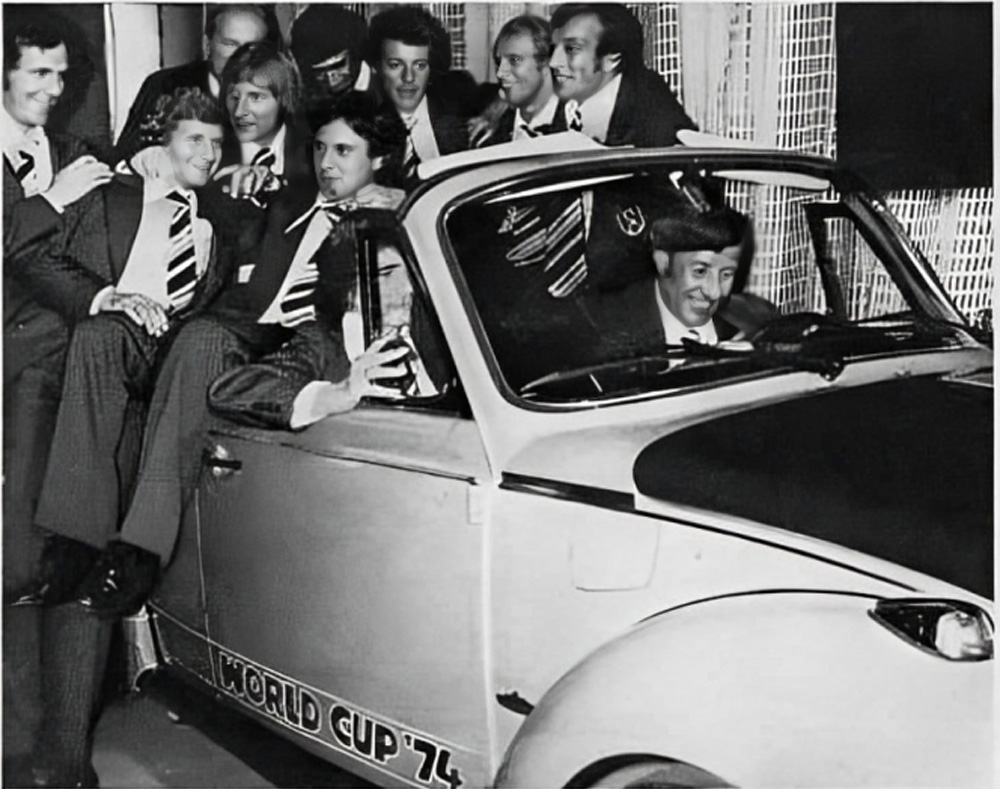
After West Germany defeated the Netherlands in the final, Volkswagen presented
exactly 25 of these Super Beetle convertibles to the players of the national
team. This detail comes directly from period German reporting, which documented
the symbolic handover during the closing celebration at the Munich Hilton.
National team coach Helmut Schön took the wheel during the ceremony,
highlighting the significance of the moment. The next day, Munich based
player Uli Hoeneß became the first to pick up his car from the local
VW distributor. The keys were handed over by Fritz Haberl, head of MAHAG,
one of Munich's largest Volkswagen dealerships.
These verified details provide a rare level of clarity about the distribution
of the cars. While Volkswagen never released an official registry, the contemporary
reporting confirms that each national team player received a convertible
and that the total number produced for this purpose was twenty five. This
makes the World Cup 74 Super Beetles one of the most precisely documented
special purpose Beetle fleets ever created, despite the limited amount of
information that has circulated in English language sources.
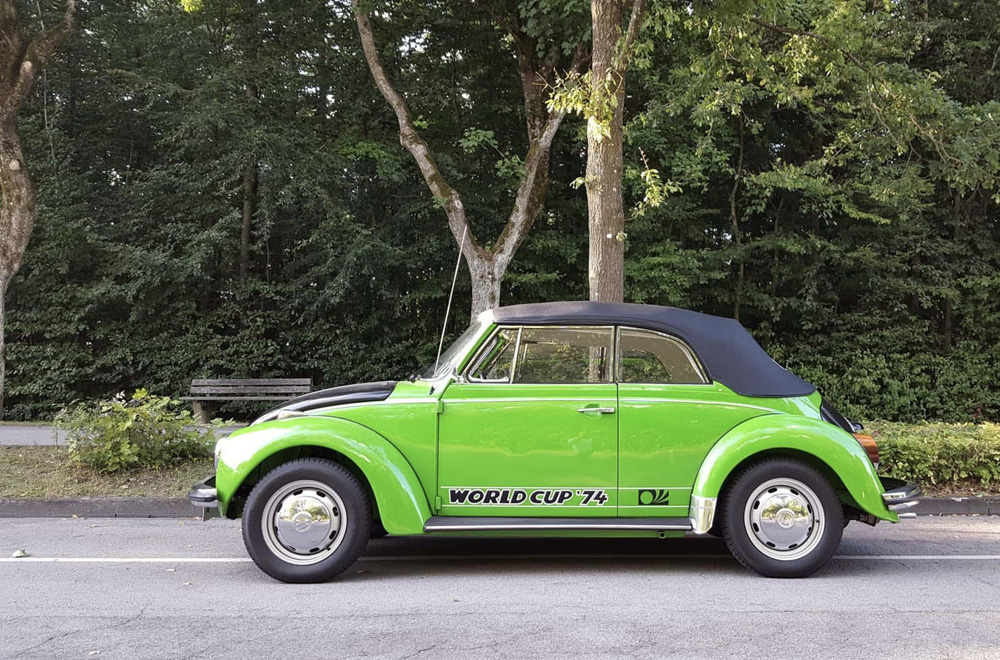
Supporting images, including a lineup of convertibles at Karmann and the
handover scenes involving the German team, offer valuable visual confirmation
of these events. They show the cars as they appeared at the time, complete
with their factory graphics and presentation details. These photos help
fill gaps left by the written record and provide collectors and historians
with rare insight into how the cars were built, delivered, and celebrated
during the tournament.
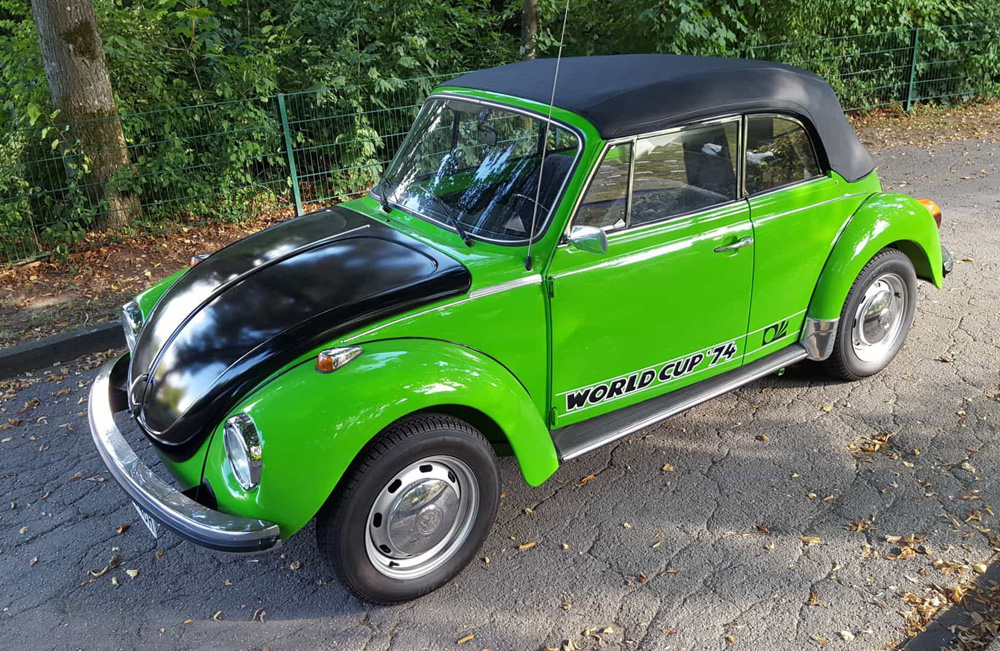
Today, the 1974 World Cup Super Beetles are remembered
as a unique chapter in Volkswagen history. They represent a moment when
the Beetle became part of a national celebration and a global sporting event.
For enthusiasts, these cars are more than special editions. They are historic
artifacts that connect the legacy of the Beetle with one of Germany's greatest
sporting achievements. Built at Karmann, presented to champions, and preserved
in only a handful of surviving examples, they remain some of the most distinctive
and meaningful Beetles ever produced.
The Best Upgrades That Keep Your Super Beetle Original
Many Super Beetle owners want their cars to drive better without changing
the look or personality that makes them so enjoyable. Some of the most worthwhile
improvements are completely hidden and simply bring the car back to the
way it was meant to feel. Fresh strut inserts, good bushings, and quality
shocks restore the smooth ride and tight steering these cars had when they
were new. Everything still looks stock, but the difference on the road is
immediate.
Braking can be improved without altering originality. North American Super
Beetles came with drums all around, and keeping them in top shape with quality
shoes, wheel cylinders, and hardware makes a noticeable improvement. Stainless
hoses help the pedal feel stay firm. Owners who want even more stopping
power sometimes add front discs, which were available on higher end European
models, but the upgrade can be done cleanly while keeping the car's appearance
unchanged.
Electrical reliability is another area where subtle updates help. A modern
voltage regulator, clean grounds, and a solid battery cable solve many age
related issues. LED bulbs inside the original housings brighten the lights
without changing the look. Adding a hard start relay is another smart upgrade.
It takes the load off the ignition switch and makes hot starts more reliable,
all while staying completely hidden.
The ignition system is one place where a quiet upgrade really pays off.
An electronic ignition module inside the stock distributor eliminates points
maintenance while keeping everything looking factory. Pairing it with a
quality coil and fresh wires gives a stronger, more consistent spark and
smoother running. It's one of the best invisible improvements you can make,
and it still preserves the original character of the engine bay.
Inside the car, new seat padding, fresh window scrapers, and better sound
deadening make the cabin quieter and more comfortable while keeping everything
looking original. Replacing the original 6.00x15 bias ply tires with modern
165/80R15 radial tires keeps the classic stance while improving grip and
ride quality.
These small, thoughtful upgrades keep a Super Beetle authentic while making
it more enjoyable to drive. They preserve the car's history, keep the original
appearance intact, and quietly solve the issues that come with age. It's
the best way to keep the car feeling like a Super Beetle, just a better
driving one.
Super Beetle Model Years: A Complete Guide (1971 to 1979)
The Volkswagen Super Beetle debuted in 1971 as the most significant update
in the Beetle's long history. While it kept the familiar silhouette, the
Super Beetle introduced a new MacPherson strut front suspension, improved
ride quality, and a deeper front trunk. These changes created a more refined
version of the classic Beetle without losing the charm that made the original
so iconic.
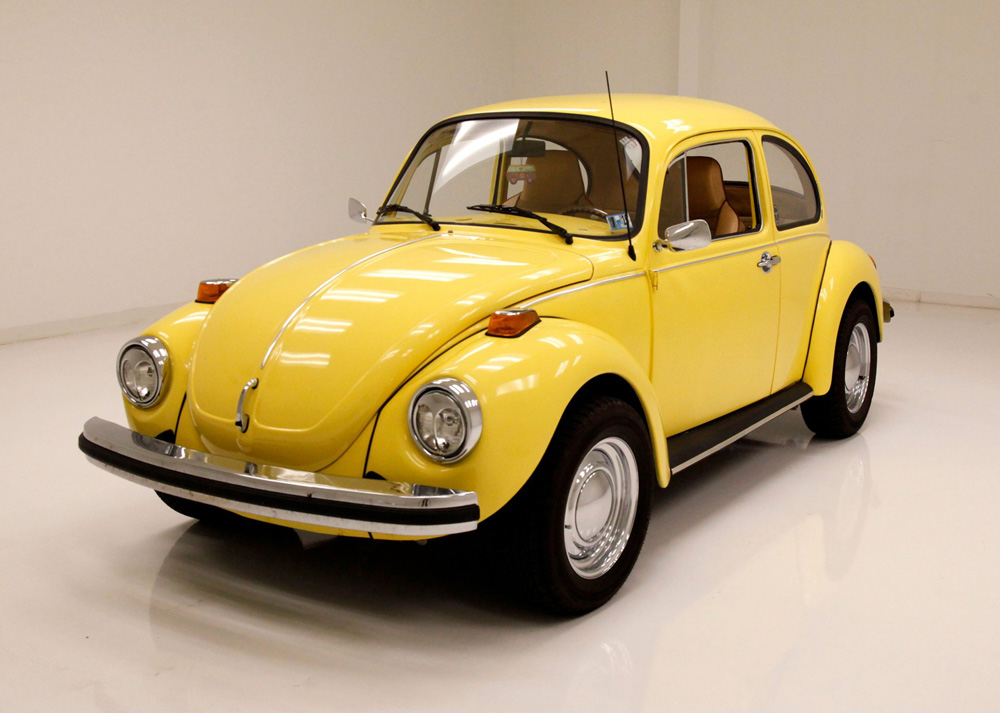
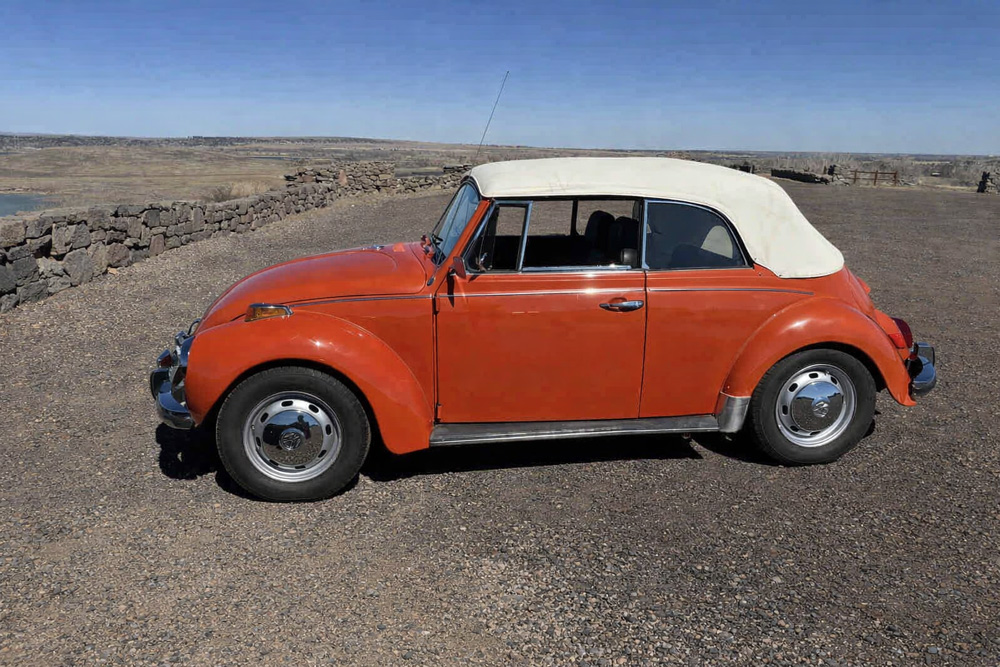
The first generation, known as the 1302, covered the 1971 and 1972 model
years. These early Super Beetles featured the new strut suspension, a redesigned
front end, and the dual port 1600 engine. The deeper trunk and smoother
ride were immediately noticeable, and Volkswagen made small improvements
to cooling, electrical systems, and interior trim for 1972. Despite the
upgrades, the 1302 still retained the flat windshield and classic dashboard
layout.
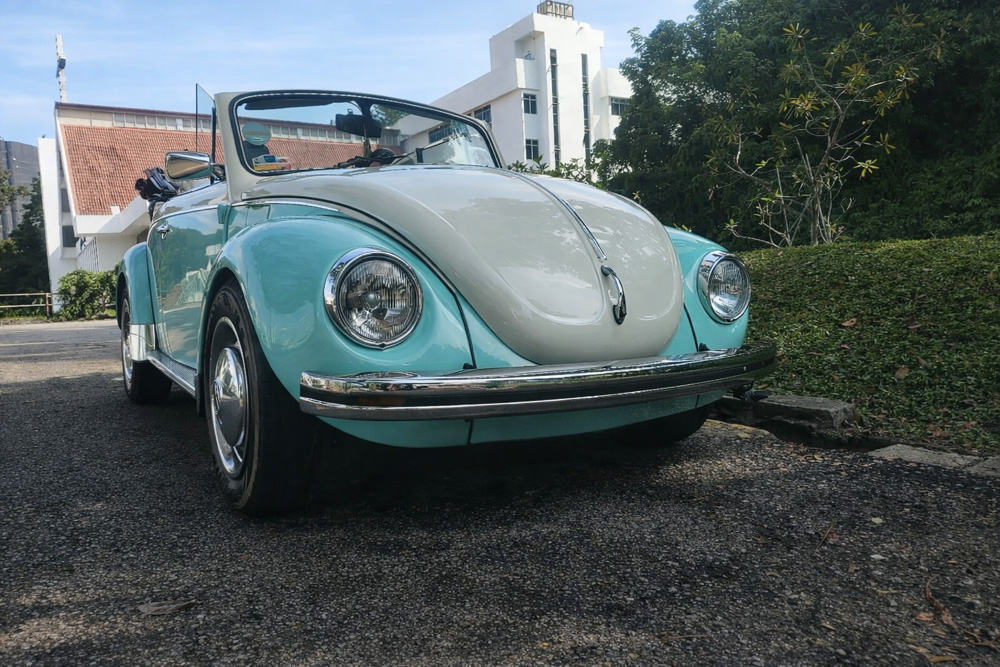
The second generation arrived in 1973 with the 1303, the most recognizable
Super Beetle. This version introduced the curved windshield, a redesigned
padded dashboard, larger front trunk opening, and improved ventilation.
The curved windshield increased interior space and visibility, while the
updated dash added modern safety padding and a cleaner layout. These changes
gave the 1303 a more contemporary feel and helped distinguish it visually
from the standard Beetle.
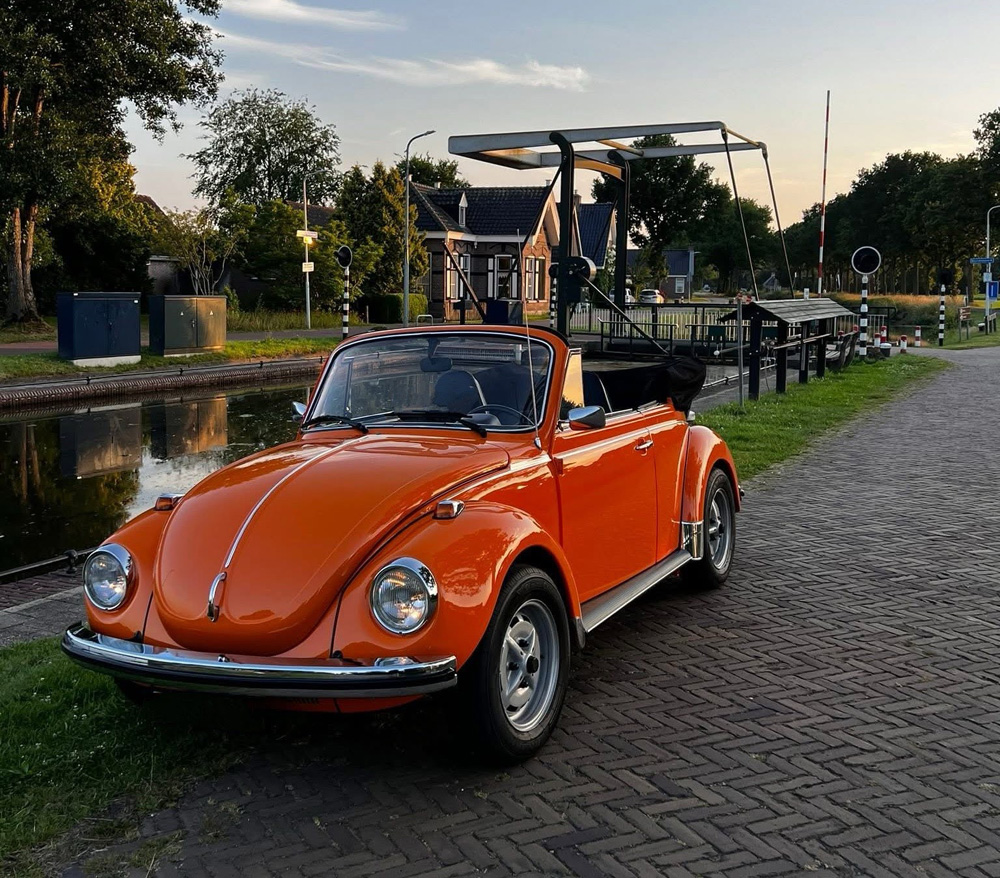
From 1974 to 1975, Volkswagen continued refining the Super Beetle with
updated bumpers, improved heating systems, and ongoing mechanical upgrades
aimed at reliability and emissions compliance. Both sedan and convertible
versions were available during these years, and the Super Beetle convertible
became especially popular for its combination of classic looks and improved
comfort. The 1975 model year marked the final year for both the Super Beetle
sedan and the standard Beetle convertible in the United States.
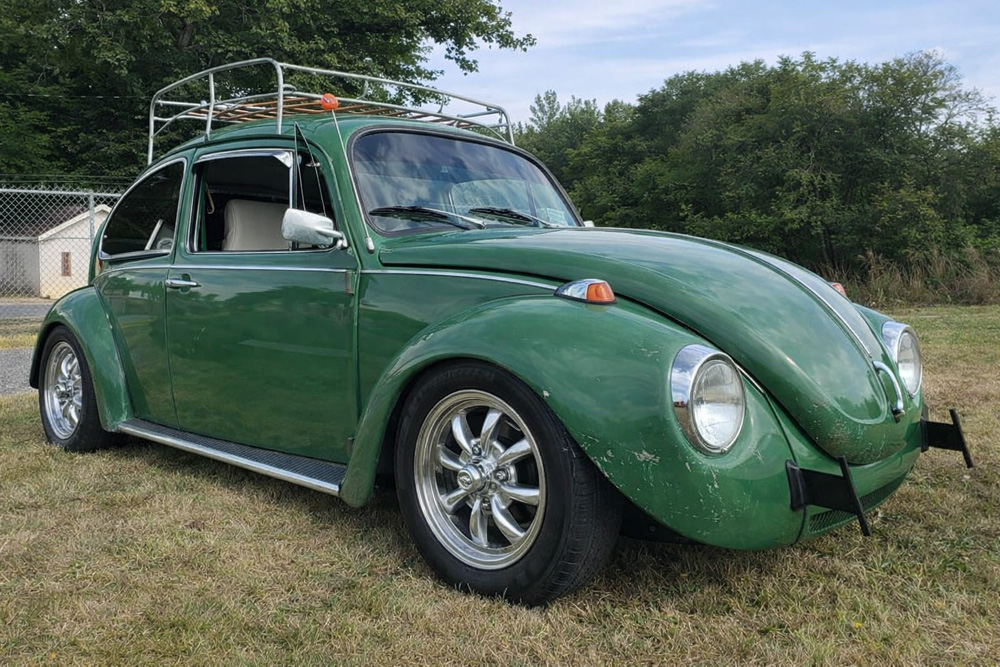
Beginning in 1976, the Super Beetle convertible became the only Volkswagen
convertible available in the U.S. market. Volkswagen focused on this model
because it remained a strong seller and had a dedicated following. These
late production convertibles featured improved emissions systems, updated
interiors, and, beginning in 1975 and continuing through the final years,
Bosch fuel injection for better drivability and reliability. The convertible
carried the Super Beetle nameplate through the end of production.
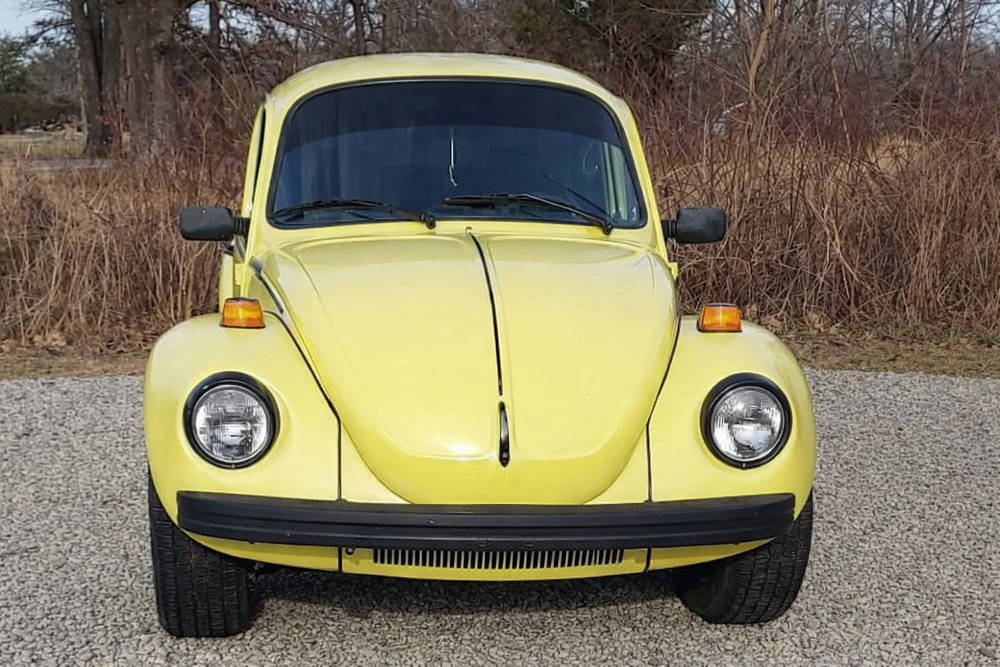
The final year, 1979, produced what many consider the most collectible
Super Beetle of all. With fuel injection, refined build quality, and the
distinction of being the last classic Beetle sold in the United States,
the 1979 convertible represents the end of an era. Across its nine year
run, the Super Beetle evolved more than any other Beetle variant, offering
better handling, more interior space, and a more modern driving experience
while preserving the unmistakable character of the original.
The Super Beetle Spring Refresh: Getting Ready for the Road
As the frost melts and the roads clear, there is a special kind of excitement
that comes with prepping a Super Beetle for the new driving season. These
cars are not just vintage machines; they are engaging, iconic pieces of
engineering that crave the open road after a long winter. Getting your Super
Beetle ready for spring is more than just maintenance. It is an act of preservation
that ensures you can enjoy every mile of that distinctive, MacPherson strut
handling as the weather warms up.

Start your season with a focus on the heart of your car: the engine. An
oil change is the absolute best way to wake up your air-cooled engine after
it has been sitting in storage. Drain the old oil while it is still slightly
warm to help remove any sediment, and don't forget to clean that oil screen
thoroughly. While you are working in the engine bay, do not forget to inspect
your air filter and check the condition of your plug wires and ignition
coil for any signs of cracking or wear. Replacing the oil with a fresh,
high-quality grade designed for older engines is the most affordable insurance
you can buy for your Beetle.

Once the basics are sorted, give your ignition system some love. A fresh
set of spark plugs will make a world of difference in how your engine idles
and pulls through the gears. Check your distributor cap and rotor for any
signs of corrosion or tracking, and ensure your points are clean and gapped
to factory specifications if you haven't made the jump to an electronic
ignition yet. For those with a bit more experience under the hood, this
is also the perfect time for a valve adjustment. Keeping those clearances
set correctly is one of the best ways to ensure your air-cooled engine runs
smoothly and reliably all season long.

Because the Super Beetle features a unique front suspension compared to
the standard Beetle, take some time to give that area a closer look. Check
the boots on your struts for any tears or cracks, and ensure your steering
linkage is tight and responsive. Even a small amount of play in the steering
or suspension can change how the car feels on the highway, so a quick visual
check can go a long way in keeping your ride feeling crisp and predictable.
It is a great time to ensure your tire pressure is perfectly balanced, which
helps keep that front end planted.
After the mechanical work, finish the job by going over the car with a
discerning eye. Clean the glass inside and out, and check that all your
exterior lights are shining bright for those late-afternoon cruises. If
your Super Beetle has been under a cover, give the paint a good wash to
clear away any trapped moisture or dust. Taking this time to detail your
car not only makes it look great for the first show of the year, but it
also gives you a chance to inspect the body for any small spots that might
need a little extra protection.
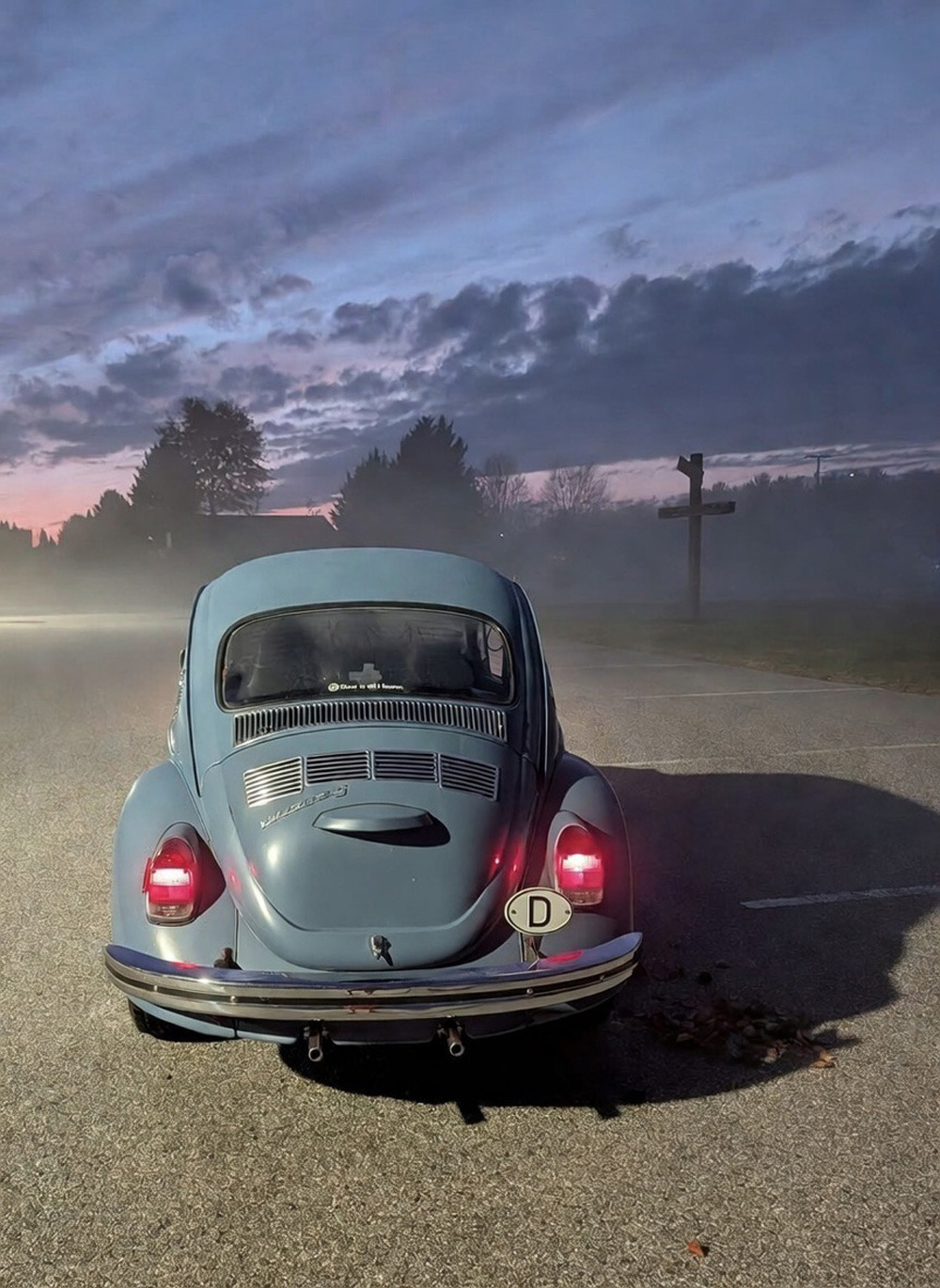
Now that your Super Beetle is running smoothly and looking its best, it
is time to plan your first adventure. Whether you are aiming for a local
cars and coffee or just a winding route through the countryside, your car
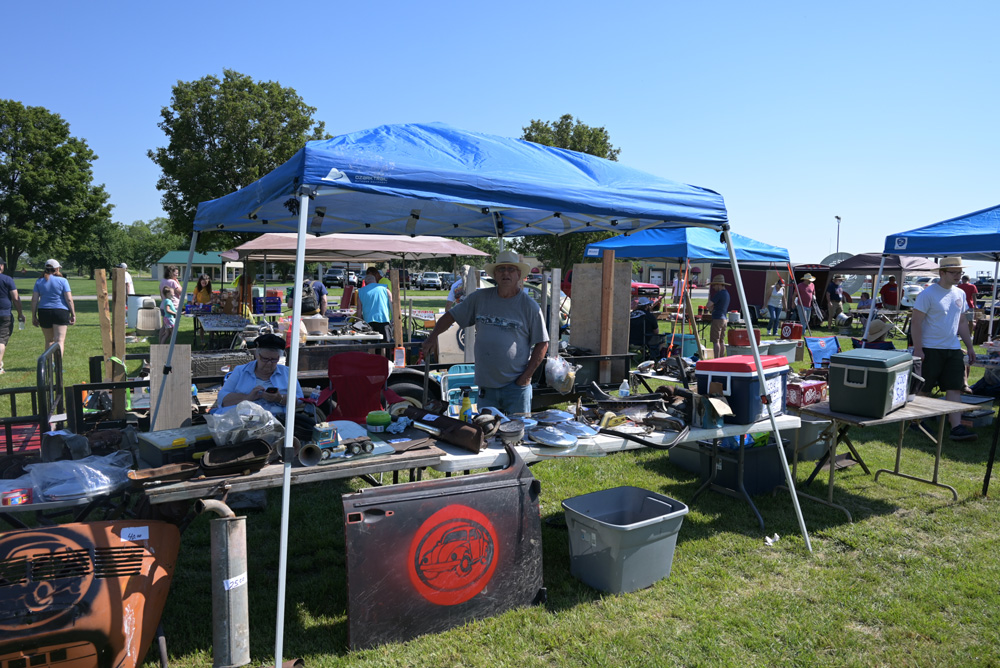
is ready to deliver. Be sure to check the events calendar
on SuperBeetles to see what is coming up this season, and don't hesitate
to reach out if you have photos or stories from your first drive of the
year. Let's make this the best season yet.
Super Beetle Restoration: The Five Basic Steps
Getting Started: Choosing the right foundation is the most critical
step in any Super Beetle project. While the 1302 and 1303 models offer superior
handling thanks to their MacPherson strut front suspension, that same engineering
creates specific rust traps you must inspect before exchanging any cash.
You need to look closely at the strut towers and the frame head area; if
these are structurally compromised, the restoration becomes significantly
more complex and expensive. Unlike a standard Beetle, the Super also features
a more complex steering box and curved windshield on later models, so ensuring
the body is straight and the death foam in the rear pillars hasn't caused
hidden rot is essential for a viable candidate.
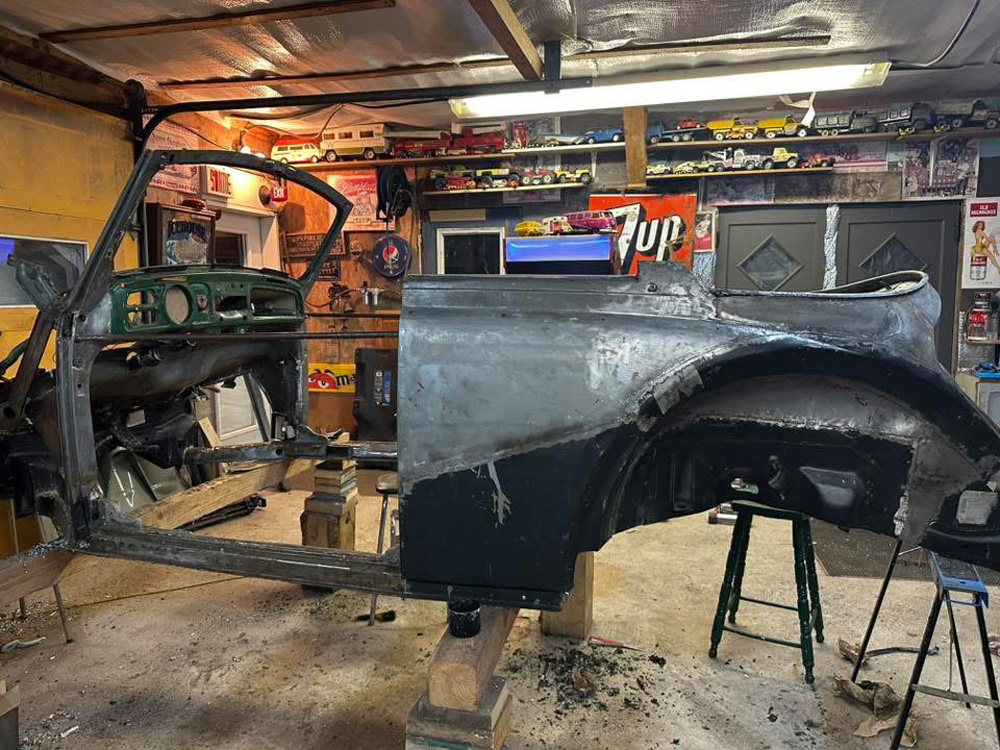
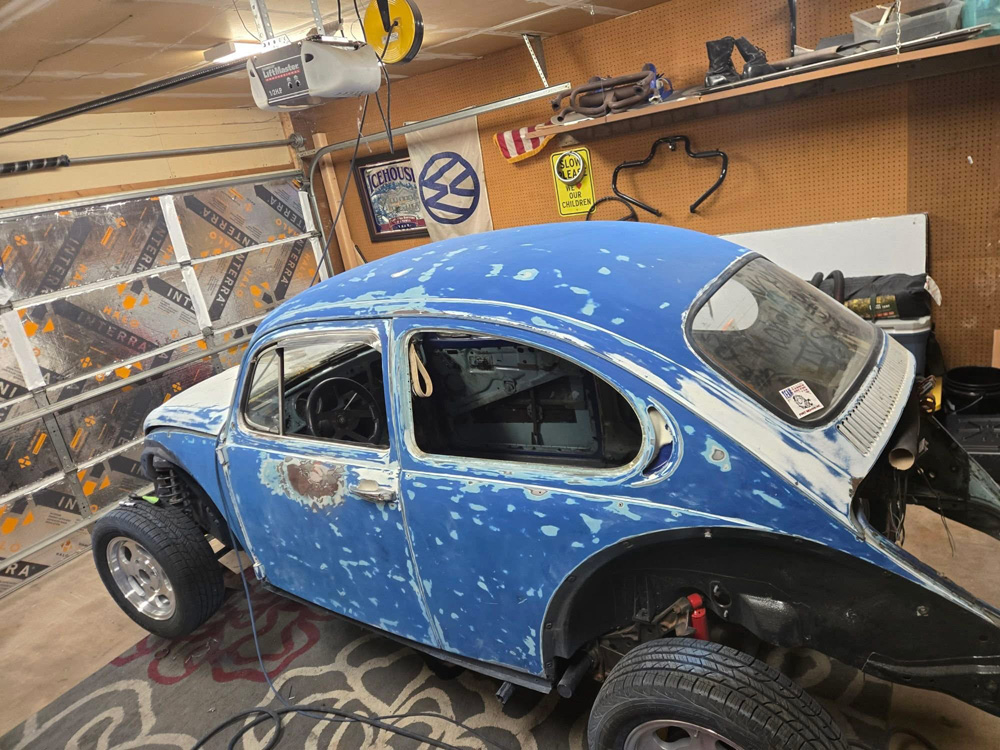
Step One: In a proper body-on restoration is the teardown and labeling
phase. To keep the project manageable in a two-car garage, you must be methodical,
bagging and tagging every bolt, clip, and wire as it comes off the car.
Removing the fenders, hood, decklid, and glass allows you to see the full
extent of the work required without the need for a heavy-duty lift. Pulling
up the old carpet and sound deadening is the only way to truly inspect the
floor pans and heater channels from the top side, allowing you to assess
the metal's health while the body remains bolted to the chassis.
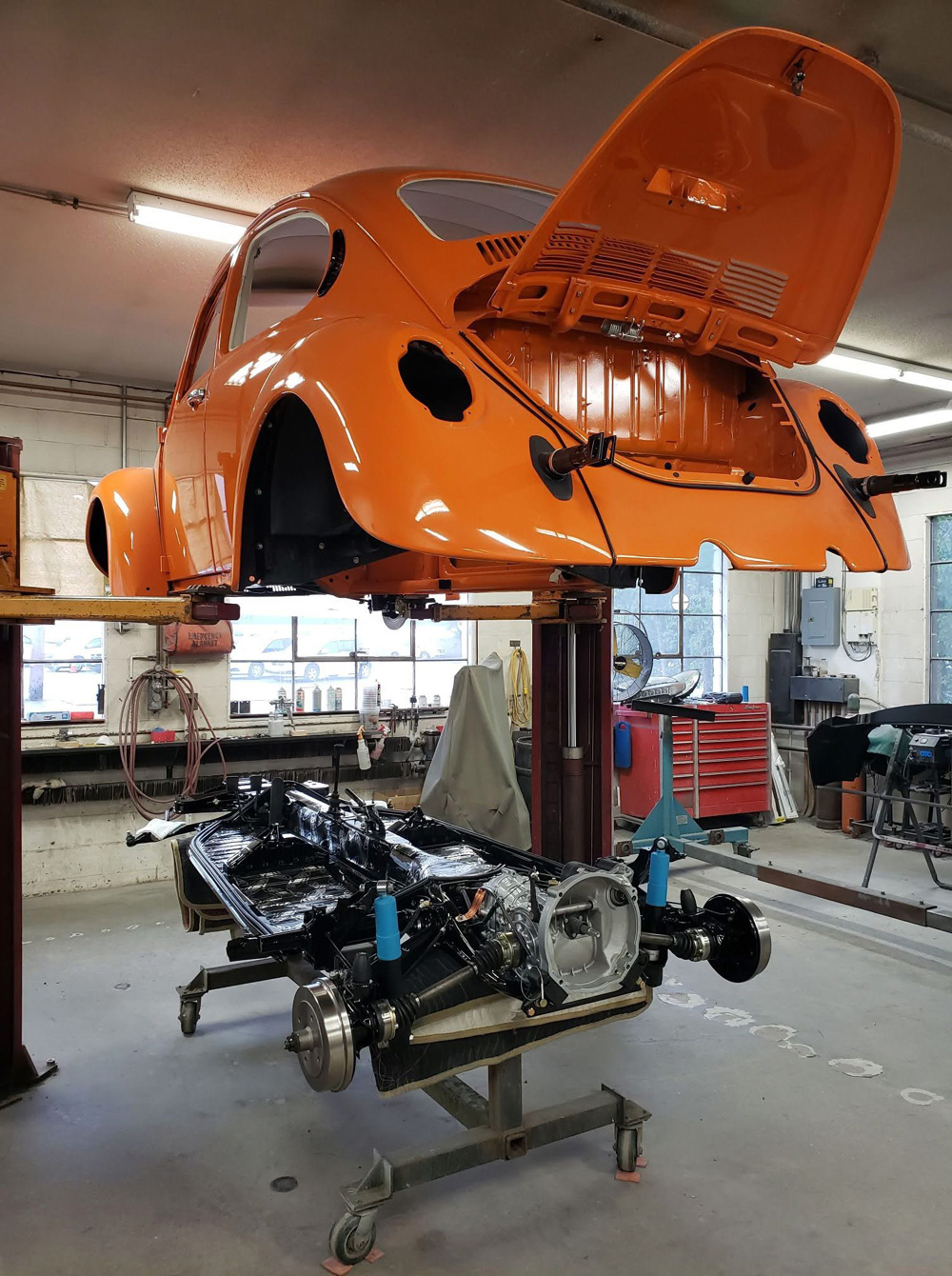
Step Two: Once the car is stripped, you move into the metalwork
and body preparation stage of your body-on build. This is where the patience
of an enthusiast is truly tested. You will likely be cutting out rusted
sections of the floor pans and welding in fresh steel right in place. Because
the body remains on the frame, you must be extra careful with heat management
and fire safety near the chassis gaskets. Since the Super Beetle has a unique
front clip, ensuring that any replacement nose or apron metal is aligned
perfectly is vital for the car's future handling and bumper fitment. Following
the welding, the body is sanded and primed to ensure the final paint is
as smooth as the lines of a Karmann-built convertible.
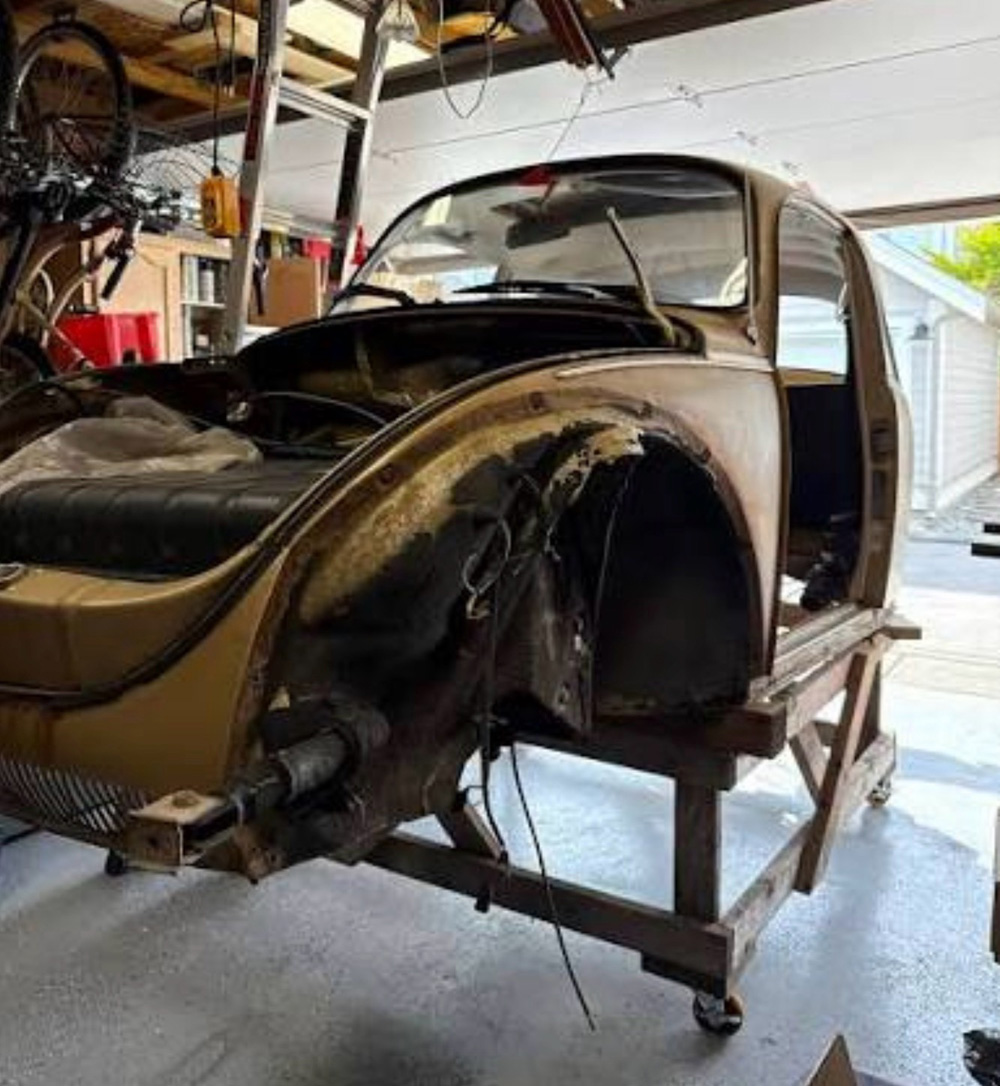
Step Three: With the bodywork in progress, your focus should shift
to the chassis and suspension overhaul. A Super Beetle restoration means
paying special attention to the bushings, ball joints, and the struts themselves
from beneath the car. Replacing worn rubber with urethane bushings can sharpen
the steering significantly, eliminating the dreaded Super Beetle shimmy
that often plagues neglected cars. This is the time to carefully inspect
and replace fuel lines, brake lines, and wheel cylinders. It is a bit tighter
than working on a bare chassis, but with the fenders off, you have plenty
of access to ensure the mechanicals are as reliable as the exterior is beautiful.
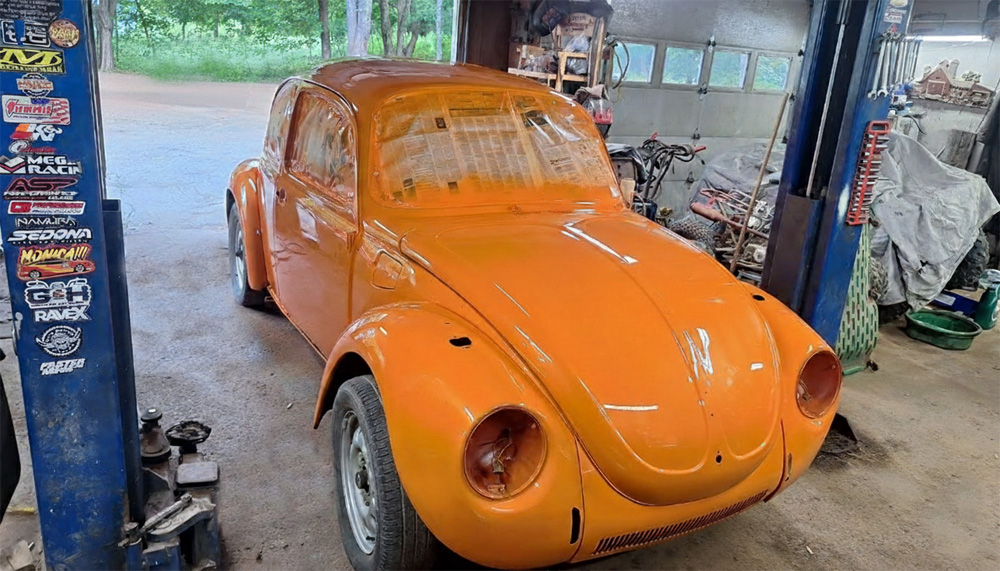
Step Four: The heart of the project is the engine and transaxle
rebuild. Whether you are keeping the stock 1600cc dual-port or upgrading
to something with more displacement, the goal is air-cooled efficiency.
You'll want to ensure the cooling tin is complete and every seal is tight
to prevent the engine from overheating in those hot summer months. Replacing
the clutch, checking the transaxle mounts, and ensuring the shifter linkage
is adjusted correctly will make the difference between a car that just runs
and a car that is a joy to drive through the gears. This mechanical refresh
ensures the drivetrain lives up to the quality of the aesthetic work performed
during your project.
Step Five: The final step is the reassembly and interior finishing.
This is when the car finally regains its personality as the chrome trim,
glass, and lights are reinstalled. Inside the cabin, laying down fresh sound
deadening before installing the carpet and seats will give the car a much
more modern, quiet feel on the road. After the final nut and bolt are tightened,
a professional four-wheel alignment is mandatory to satisfy the requirements
of that MacPherson front end. Once the wheels are straight, you are ready
to hit the road and enjoy the unique, refined ride that only a Super Beetle
can provide.
Golden Farewell: The Champagne Edition Super Beetle
In 1977, Volkswagen celebrated the approaching end of the classic Beetle
era with a special send-off, the Champagne Edition Super Beetle. This limited-edition
model brought a touch of luxury to a car long known for simplicity, marking
one of the final moments when the Beetle still rolled proudly off assembly
lines for the U.S. market.
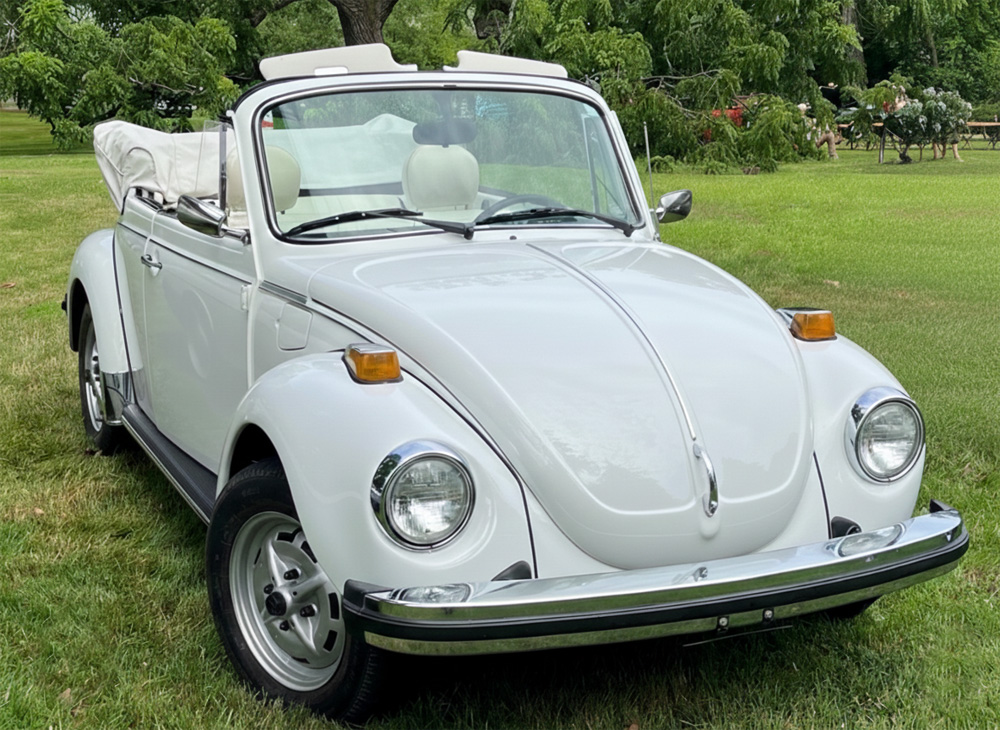
The Champagne Edition arrived as part of Volkswagen's campaign to add sophistication
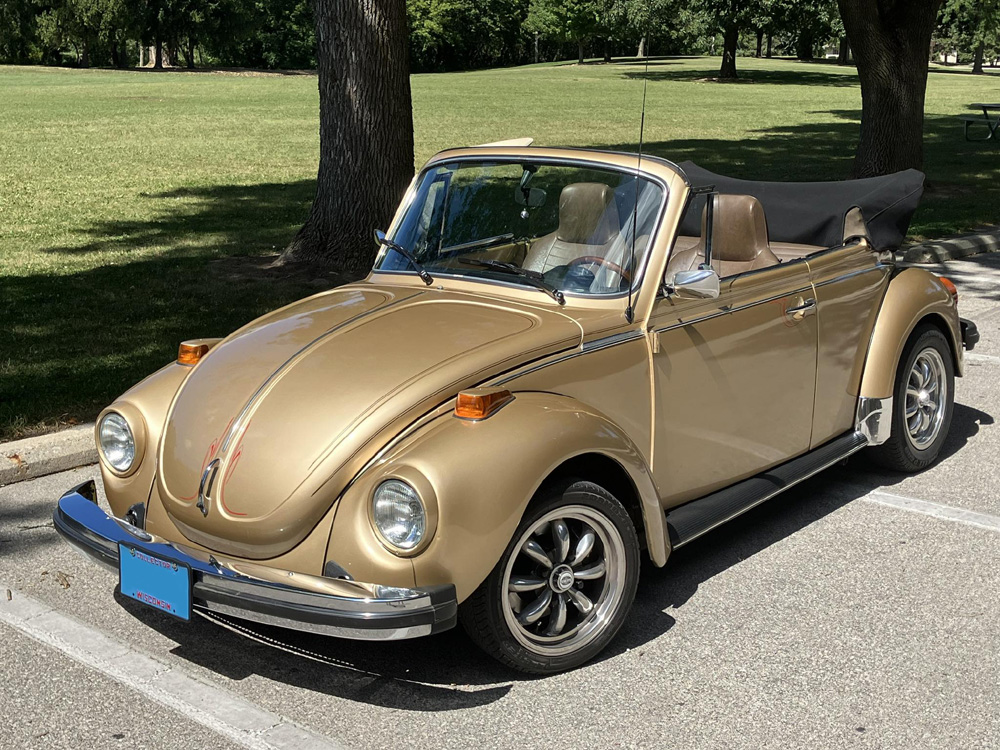
to the familiar shape of the Super Beetle Convertible. It featured a distinctive
metallic paint finish in either Ancona Blue or Kansas Beige, accented with
a tan convertible top and matching leatherette interior. The look was elegant
without being extravagant, evoking the golden sparkle of its name.
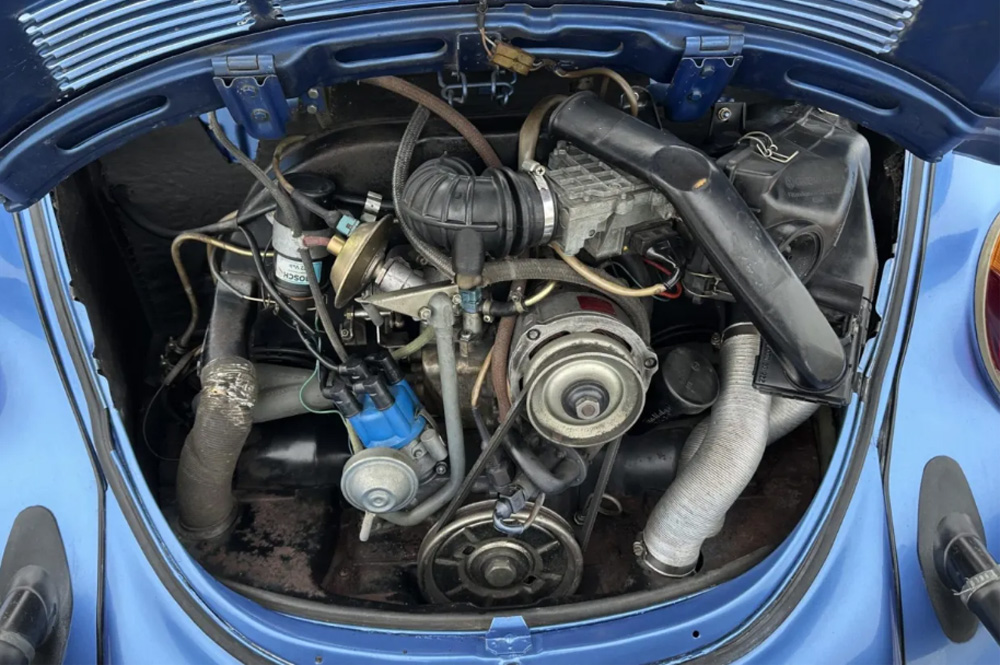
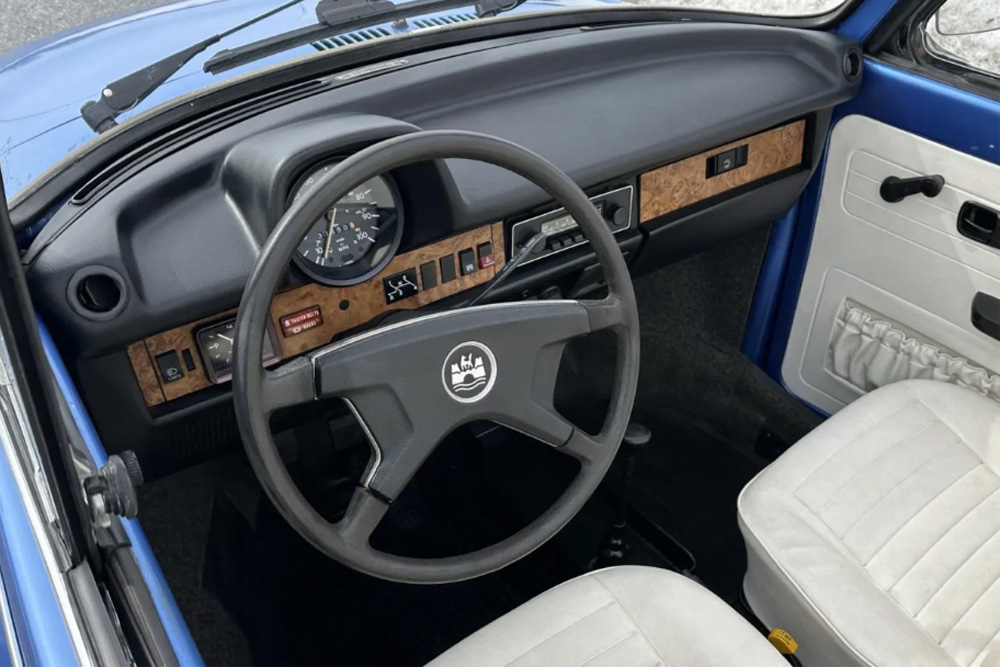
Inside, Volkswagen gave drivers a taste of refinement that went beyond
the standard Bug. Woodgrain dash trim, color-coordinated carpets, and a
sport-style steering wheel added flair, while details like chrome accents
and unique badging set it apart from the base model. Though the Super Beetle's
engineering remained familiar, an air-cooled 1600cc engine with a smooth
MacPherson strut front suspension-the overall feel was more polished, more
mature.
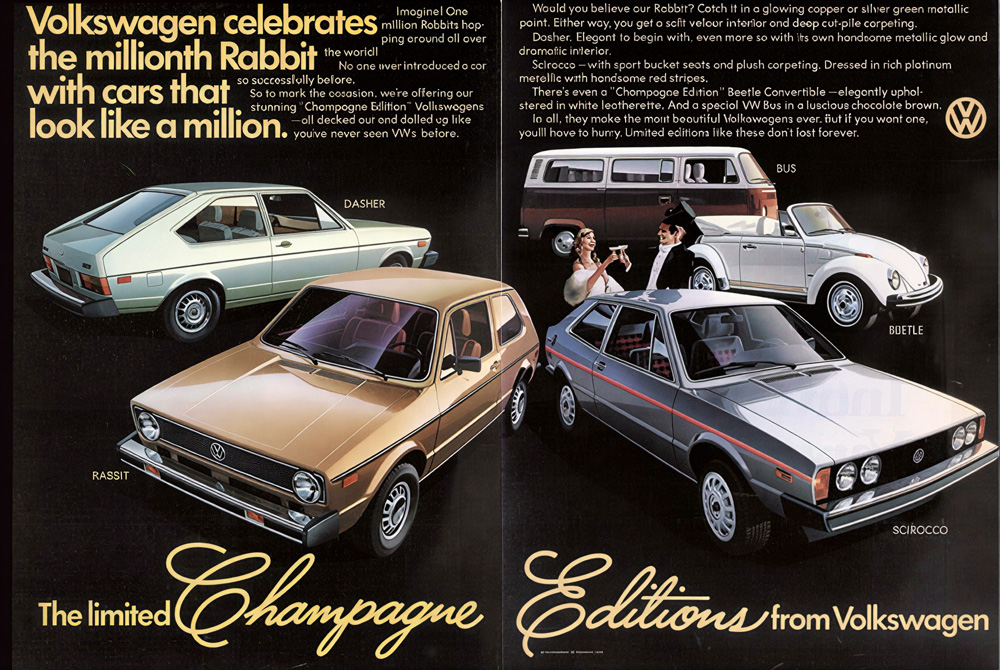
The Champagne Edition also reflected Volkswagen's awareness that the Beetle's
time was drawing to a close. The Golf (known as the Rabbit in North America)
had already become the company's new focus, offering modern front-wheel-drive
practicality. The Champagne Edition was a nod to the loyal enthusiasts who
still loved the Beetle for what it was: an honest, enduring classic with
undeniable charm.
A year later, the 1978 Champagne Edition II continued the theme with new
color options and subtle updates, reinforcing the Beetle's graceful exit
from the American market. When U.S. sales of the convertible finally ended
in 1979, these special editions became instant collector favorites.
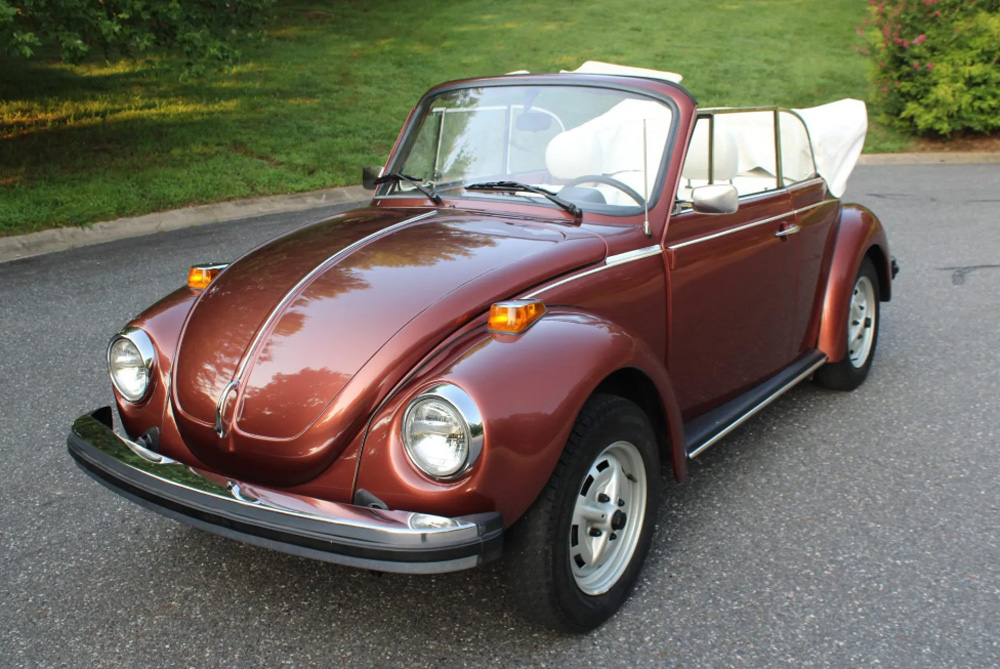
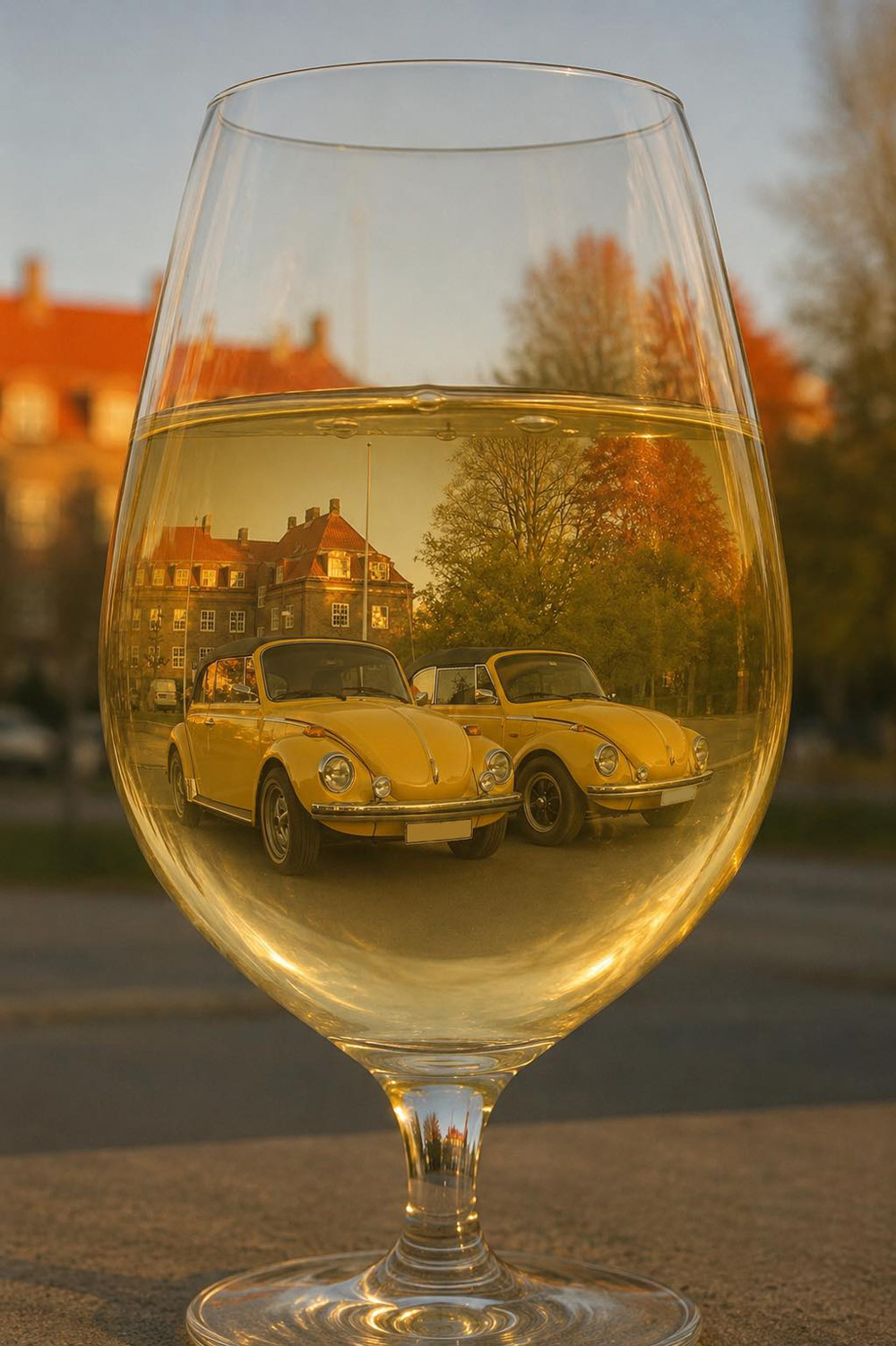
Today, the Champagne Edition Super Beetle stands as a symbol of the Beetle's
final toast. It captured the spirit of a car that had carried generations,
dressed up for one last celebration. With its soft top folded back and paint
gleaming in the sun, it remains a fitting tribute to Volkswagen's most beloved
icon, raising a glass to the end of an unforgettable era.
Super Shakes: Eliminating the Dreaded "Super Beetle Shimmy"
One of the most talked about issues among Volkswagen Super Beetle owners
is the infamous front end vibration commonly known as the Super Beetle Shimmy.
While it can be alarming when it happens, the good news is that it is well
understood, easy to diagnose, and completely fixable when addressed correctly.

What Is the Super Beetle Shimmy? - The Super Beetle Shimmy is a
front-end vibration that typically shows up between roughly 45 and 55 mph,
felt through the steering wheel as a rapid side-to-side shake. Unlike a
simple wheel imbalance, the shimmy often comes and goes, sometimes disappearing
when speed increases or decreases. It can feel unsettling, as if the front
wheels are fighting each other, and in severe cases the steering wheel can
visibly oscillate in the driver’s hands. This behavior is most commonly
associated with the Super Beetle’s MacPherson strut front suspension,
which is more sensitive to wear and alignment than the standard Beetle’s
torsion bar setup.

At its core, the shimmy is caused by looseness or inconsistency within
the front suspension and steering system. Worn ball joints, deteriorated
control arm bushings, a tired steering damper (71-74 Super Beetle), out-of-round
tires, bent wheels, or incorrect alignment can each contribute, and often
several issues are present at once. As these components age, small amounts
of play allow vibrations to build and resonate at certain speeds rather
than being absorbed. The result is not a random flaw, but a predictable
mechanical response that occurs when the front end is no longer working
as a tight, balanced system.

Common Causes of the Shimmy - The shimmy is rarely caused by a single
failed part. It is usually the result of several small problems adding up.
Common contributors include:
• Worn or improperly balanced front tires
• Bent wheels or incorrect wheel offset
• Worn ball joints
• Loose or worn tie rod ends
• Deteriorated control arm bushings
• A failed or missing steering damper (71-74 Super Beetle)
• Incorrect front end alignment
Because the Super Beetle suspension works as a system, even one marginal
component can trigger a shimmy when combined with others.

How to Diagnose the Problem - Start with the basics and work methodically.
1. Inspect the tires and wheels. Check for uneven wear, flat spots, or
out of round tires. Make sure the wheels are straight and properly balanced.
Dynamic balancing is strongly recommended.
2. Check for play in the front suspension. Jack up the front end and check
for movement in the ball joints, tie rod ends, and wheel bearings. Any looseness
here can contribute to shimmy.
3. Inspect control arm bushings. Cracked or collapsed bushings allow unwanted
movement that can amplify vibrations.
4. Check the steering damper (71-74 Super Beetle). A weak or failed steering
damper will allow oscillations to build instead of being absorbed.
5. Confirm alignment. Incorrect toe or caster settings can make the front
end far more prone to shimmy.

How to Fix the Super Beetle Shimmy - The key to fixing the shimmy
is addressing the entire front suspension as a system rather than replacing
parts one at a time at random.
• Replace worn suspension components in pairs when possible
• Replace all rubber bushings with fresh stock or upgraded versions
• Install a new steering damper (71-74 Super Beetle)
• Balance the front wheels properly and verify tire condition
• Finish with a proper four wheel alignment set to Super Beetle specifications
• Inner control arm bushings should be H/D black urethane (not rubber)
for best results
Most Super Beetle owners report that once the worn parts are replaced and
the suspension is correctly aligned, the Super Beetle Shimmy disappears
completely and does not return.

A Trusted Source for Super Beetle Shimmy Repair Parts - When it
comes to fixing the Super Beetle Shimmy, using quality parts matters. Top
Line Parts is widely regarded as one of the best sources for Super Beetle
specific suspension components. They specialize in Super Beetles and offer
everything needed to address shimmy issues, from struts and bushings to
steering dampers and complete front end kits. Their parts are designed to
work together and are a popular choice among experienced Super Beetle owners.

Final Thoughts - The Super Beetle Shimmy has earned a reputation
that makes it sound mysterious or unavoidable, but it is neither. It is
simply the result of worn or mismatched front suspension components. With
careful diagnosis, quality parts, and proper alignment, a Super Beetle can
drive smoothly and confidently at any speed.

More than anything, the shimmy is a reminder that the Super Beetle’s
front suspension is a system, not a collection of isolated parts. Replacing
only one component while ignoring others often masks the problem rather
than solving it. When bushings, ball joints, strut inserts, steering dampers,
wheel balance, and alignment are all brought back into proper specification,
the car behaves exactly as Volkswagen intended. A properly sorted Super
Beetle is stable, comfortable, and enjoyable to drive, proving that the
so-called shimmy is not a design flaw but a maintenance issue that can be
fully resolved.
Explore More Super Beetle Resources